

LOCATION: PITTSTON, PA
STATUS: CONSTRUCTION
TYPE: MASS TIMBER, MIXED-USE THEATER, COMMERCIAL OFFICE & RESIDENTIAL
AWARDS: 2024 AIA PENNSYLVANIA MERIT AWARD, UN-BUILT CATEGORY


LOCATION: PITTSTON, PA
STATUS: CONSTRUCTION
TYPE: MASS TIMBER, MIXED-USE THEATER, COMMERCIAL OFFICE & RESIDENTIAL
AWARDS: 2024 AIA PENNSYLVANIA MERIT AWARD, UN-BUILT CATEGORY
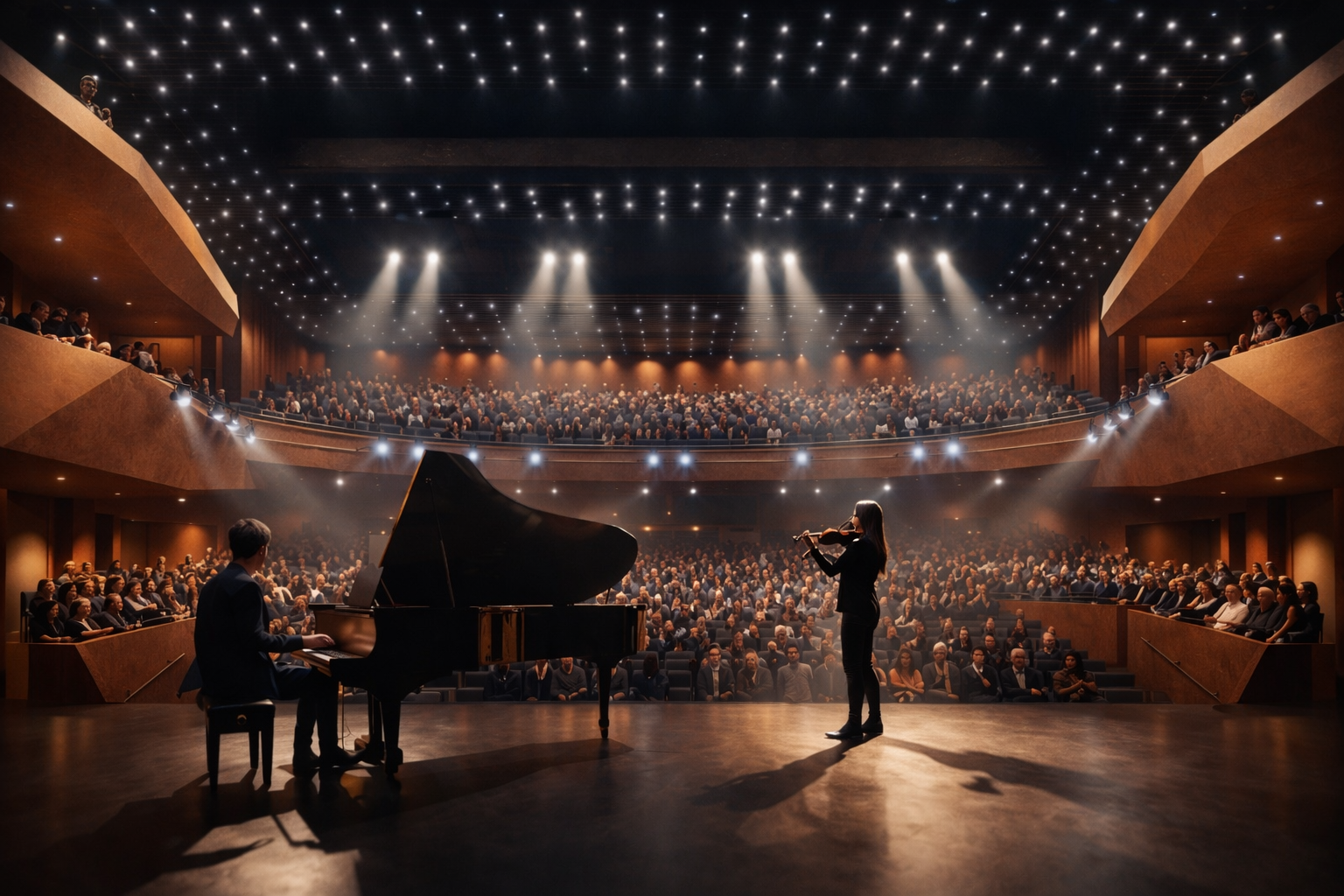
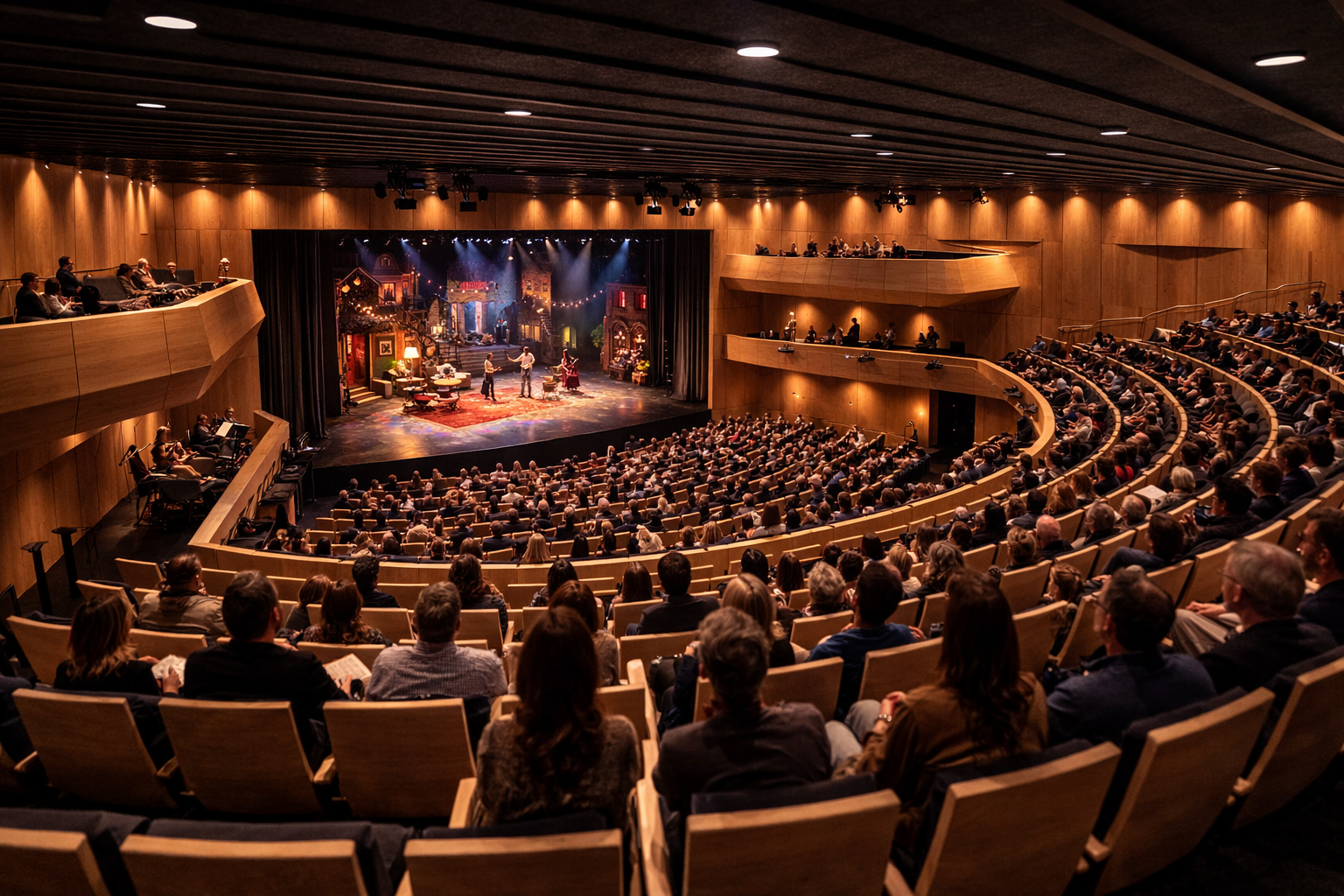
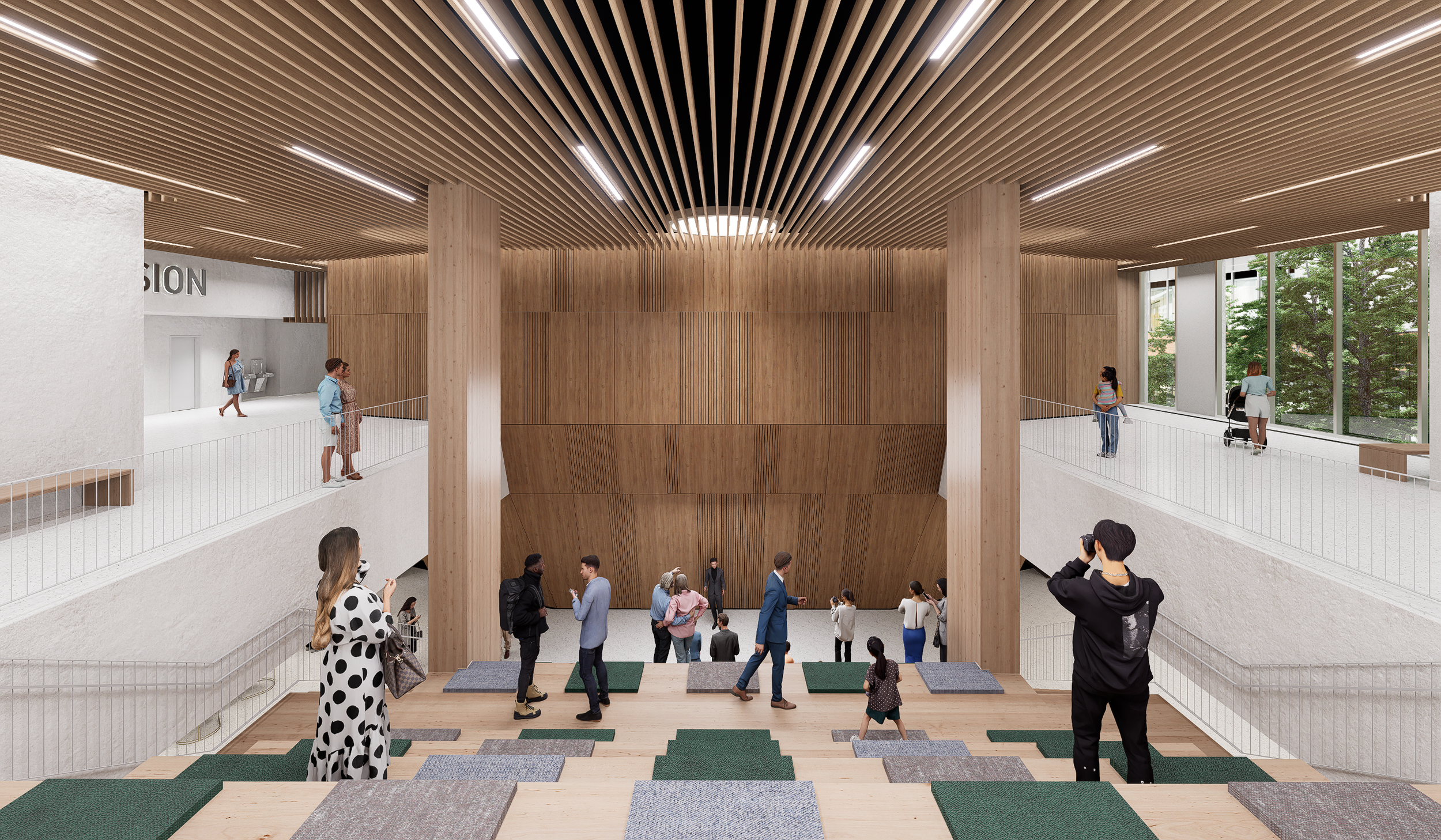
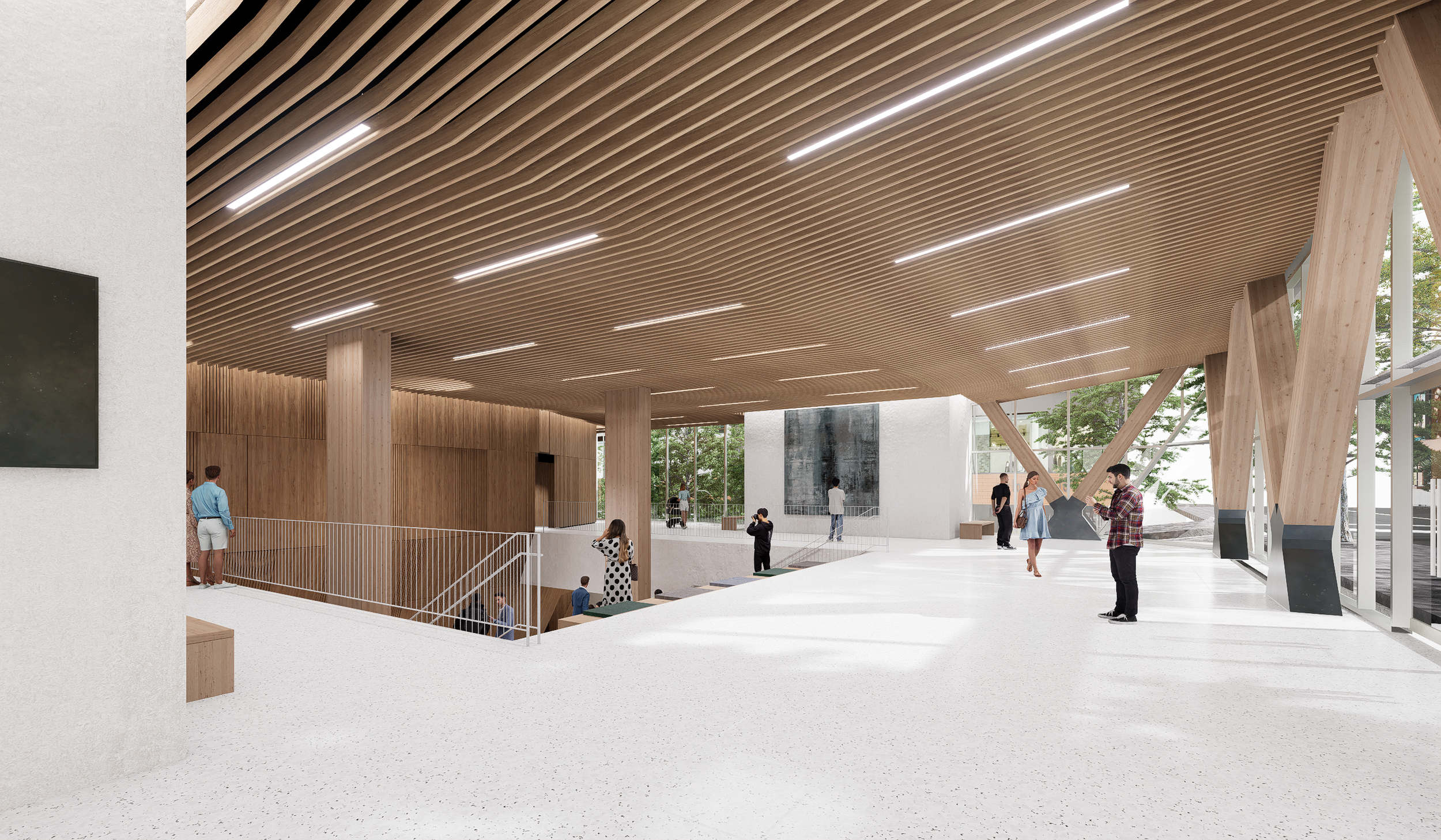
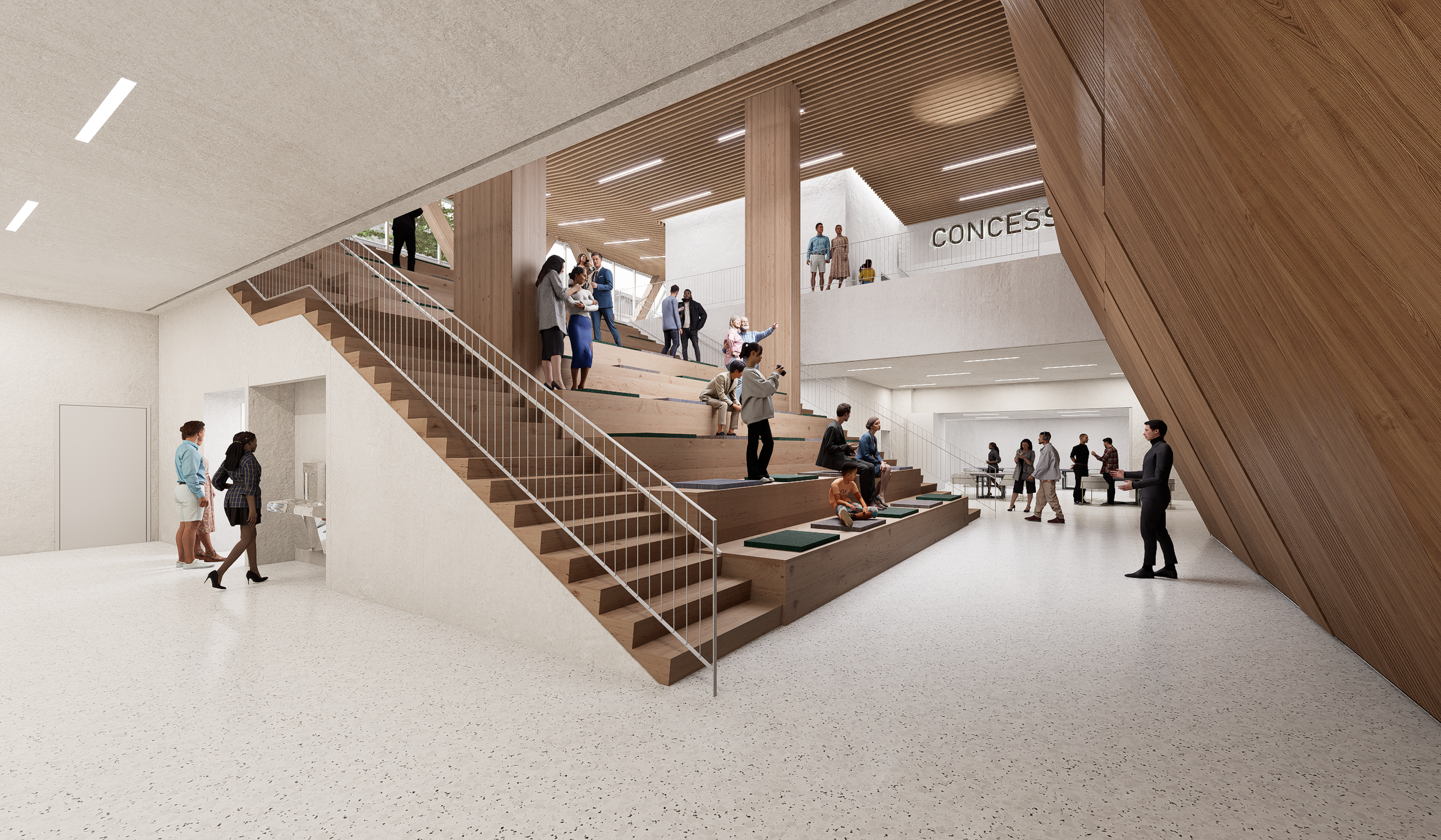
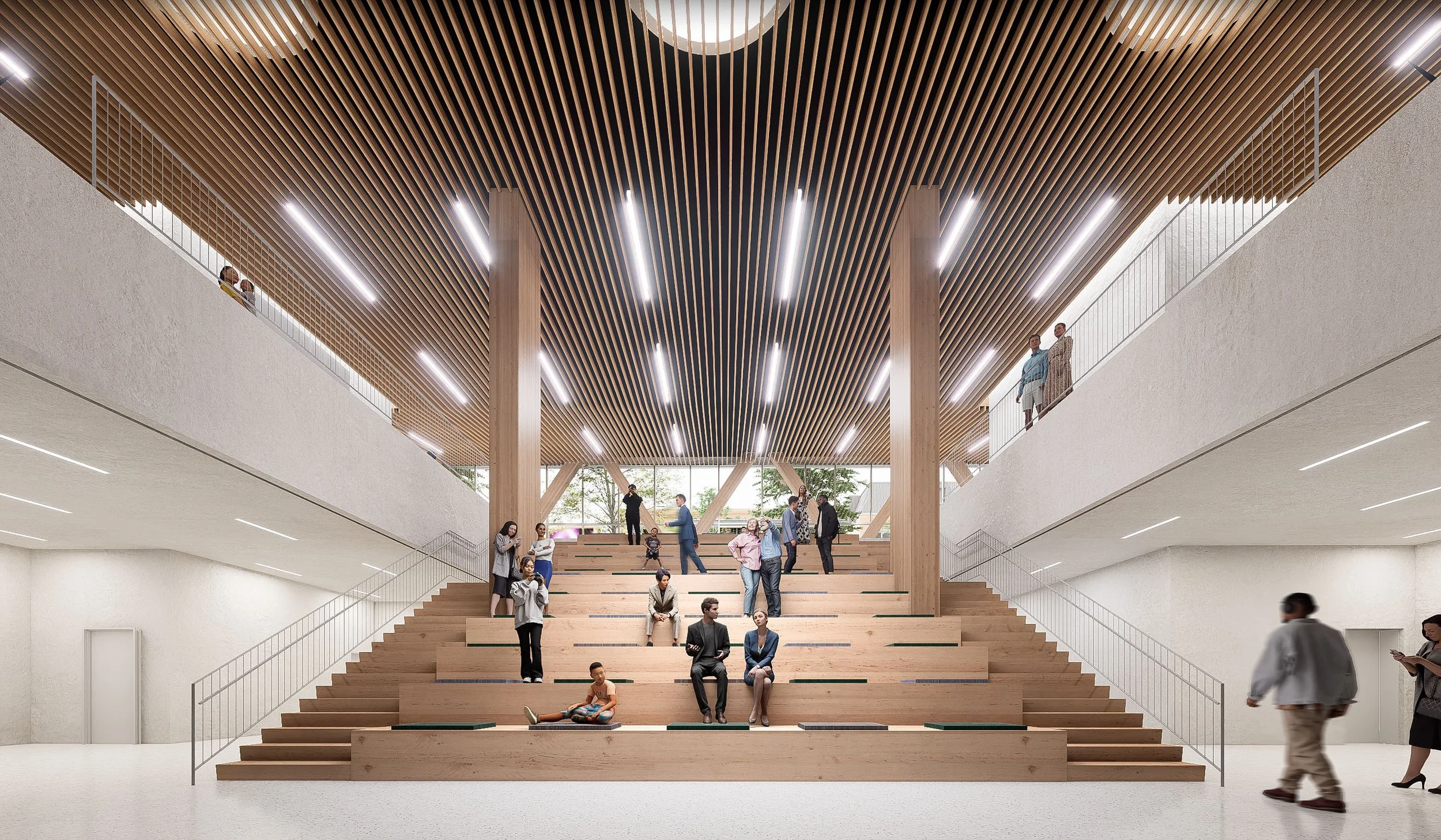
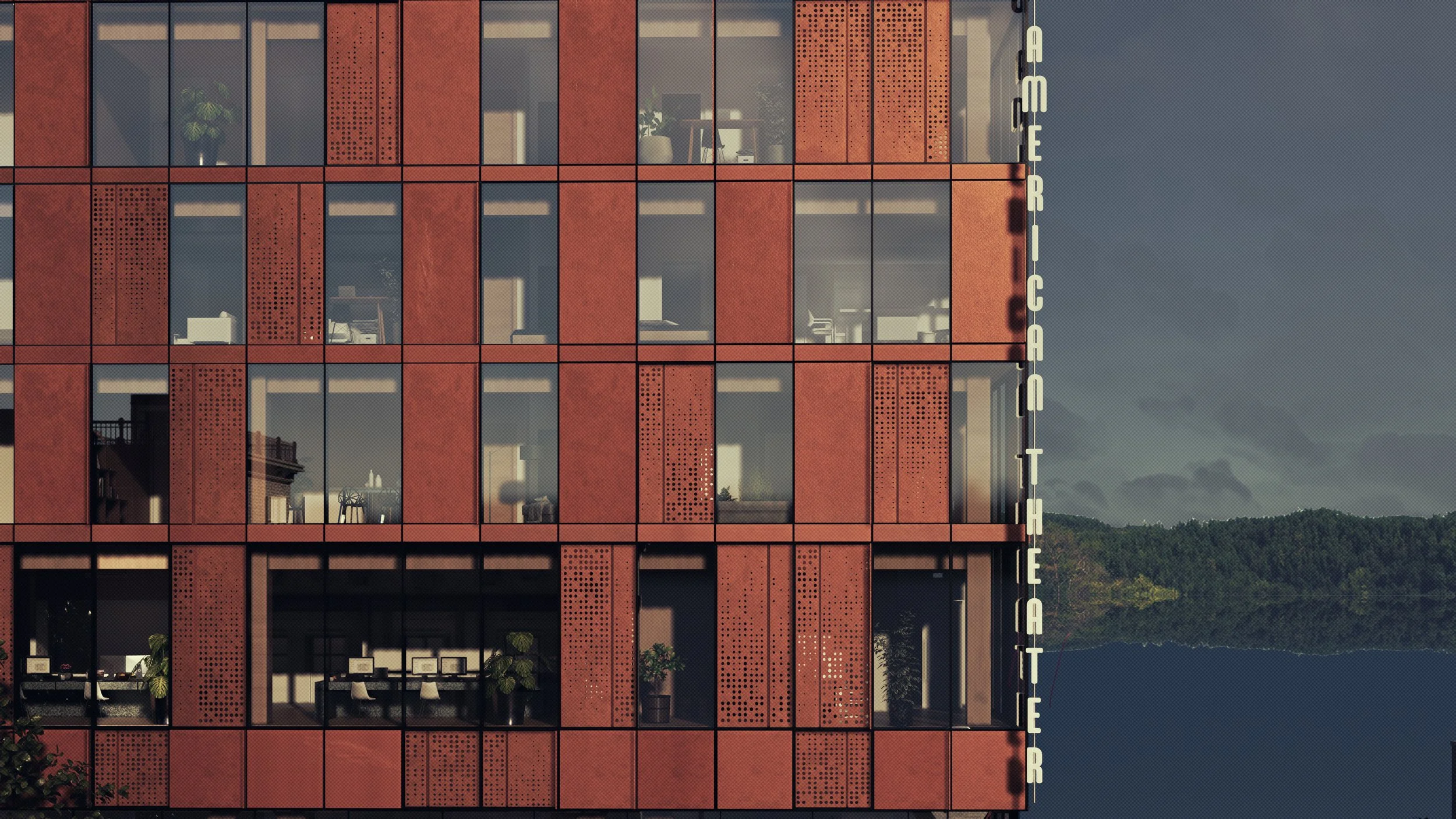
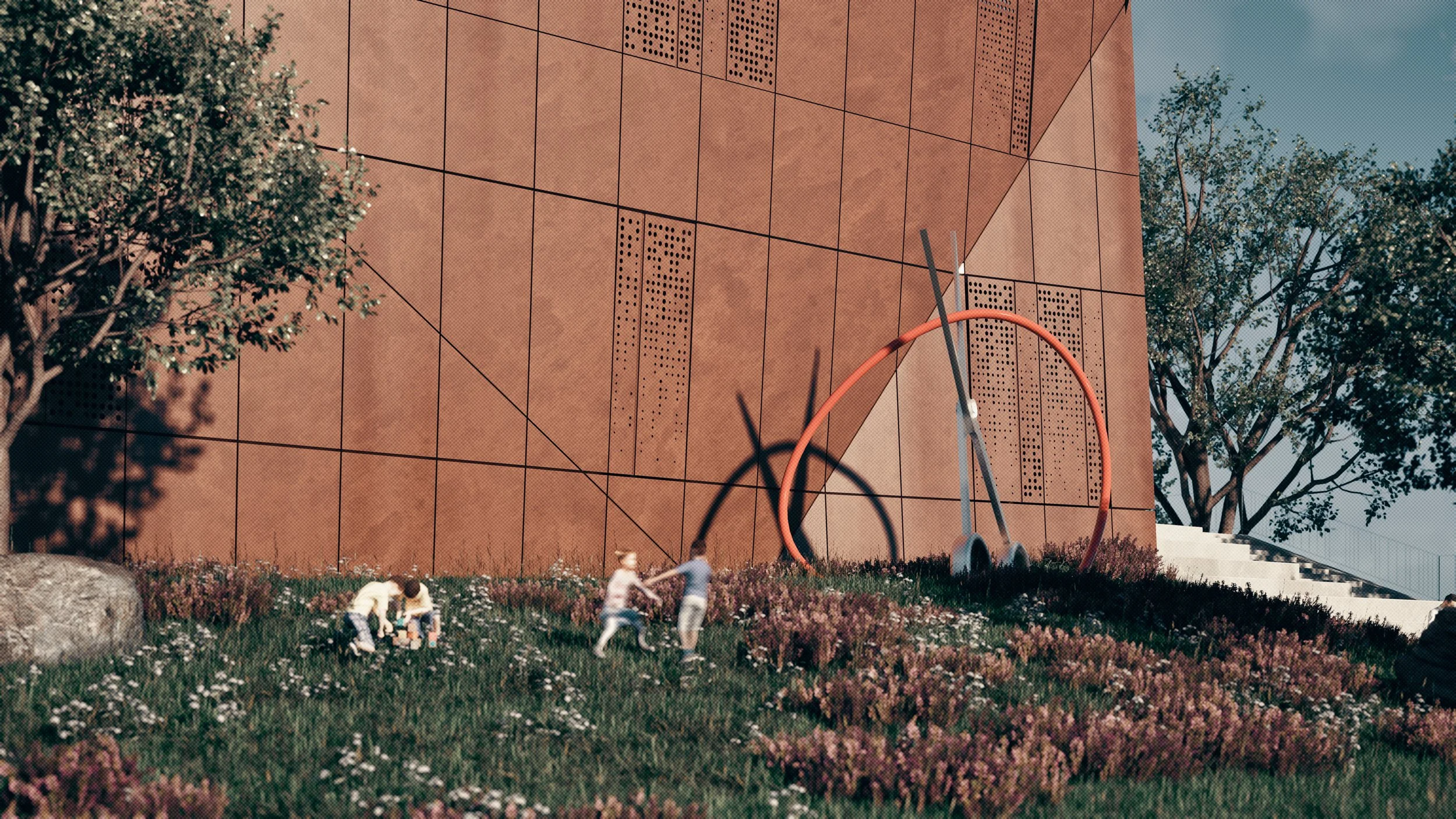
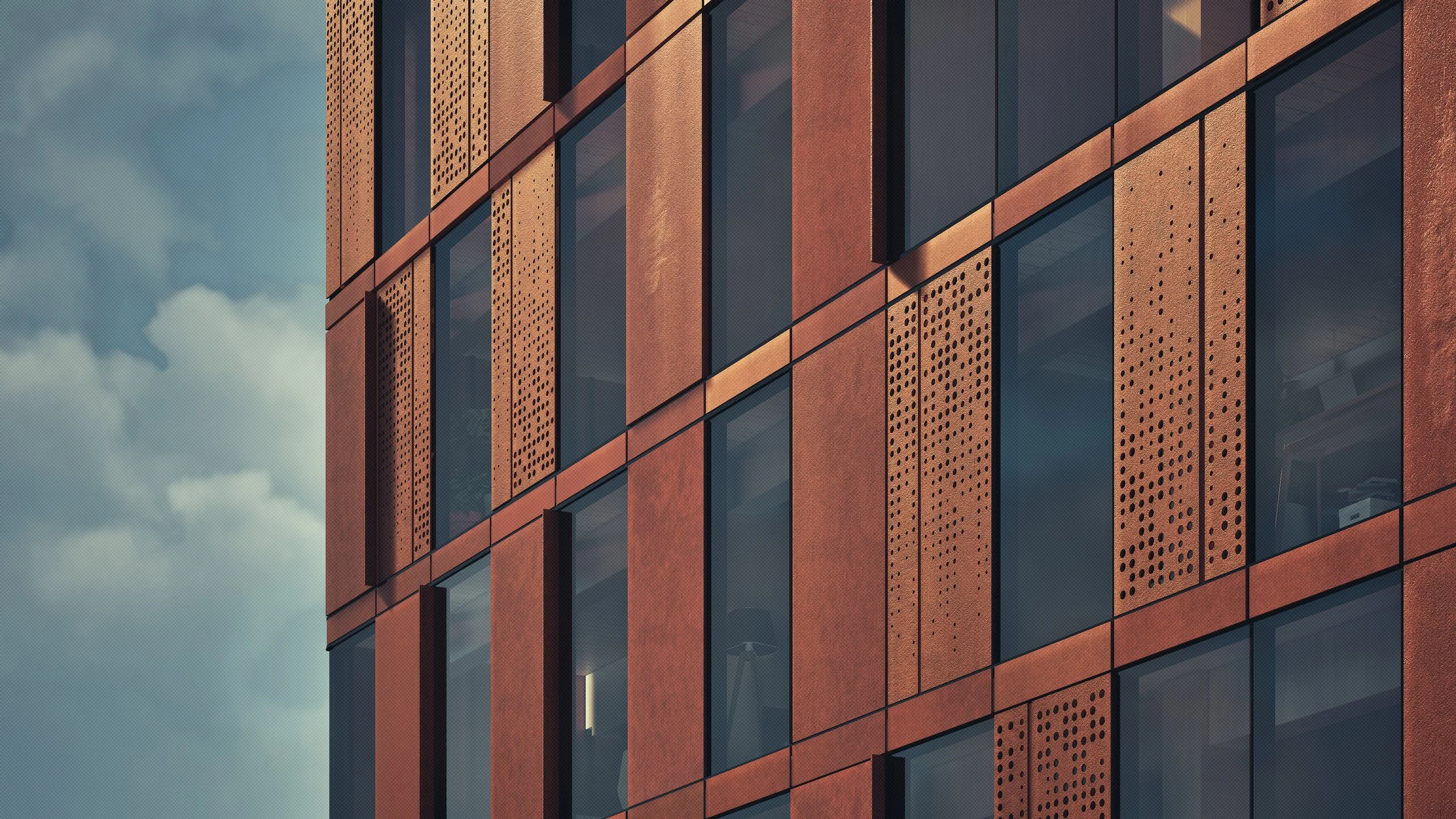
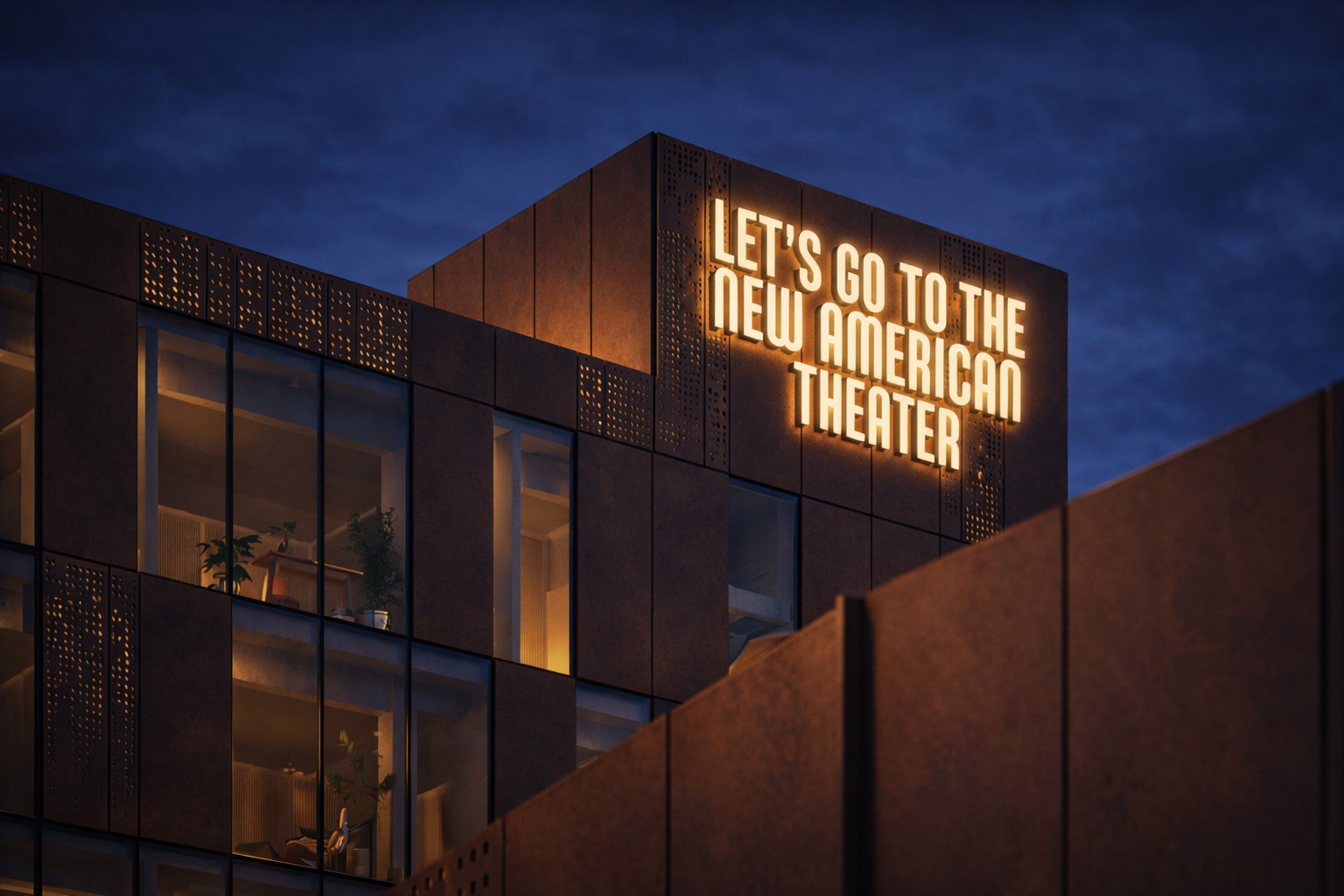
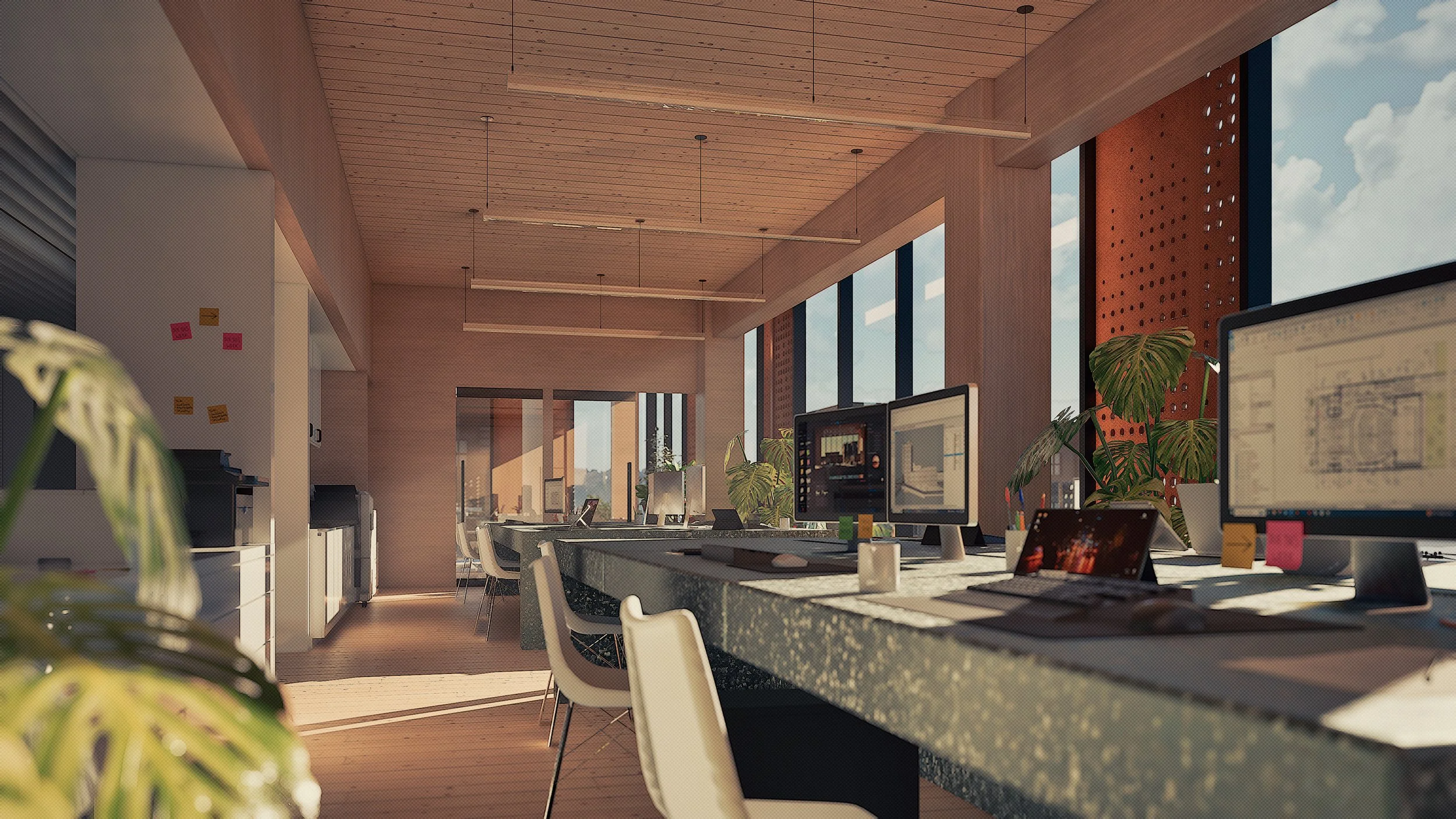
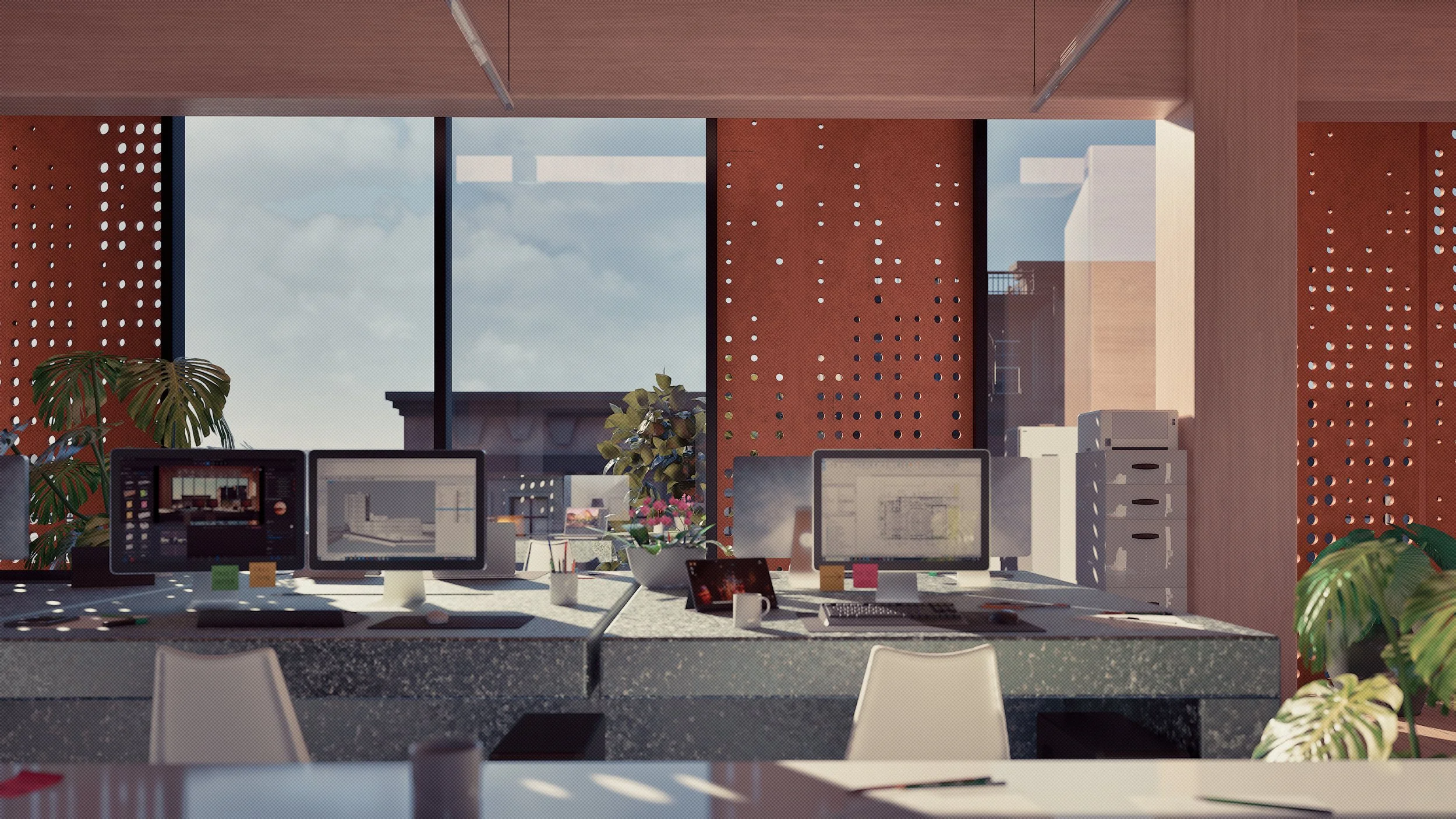
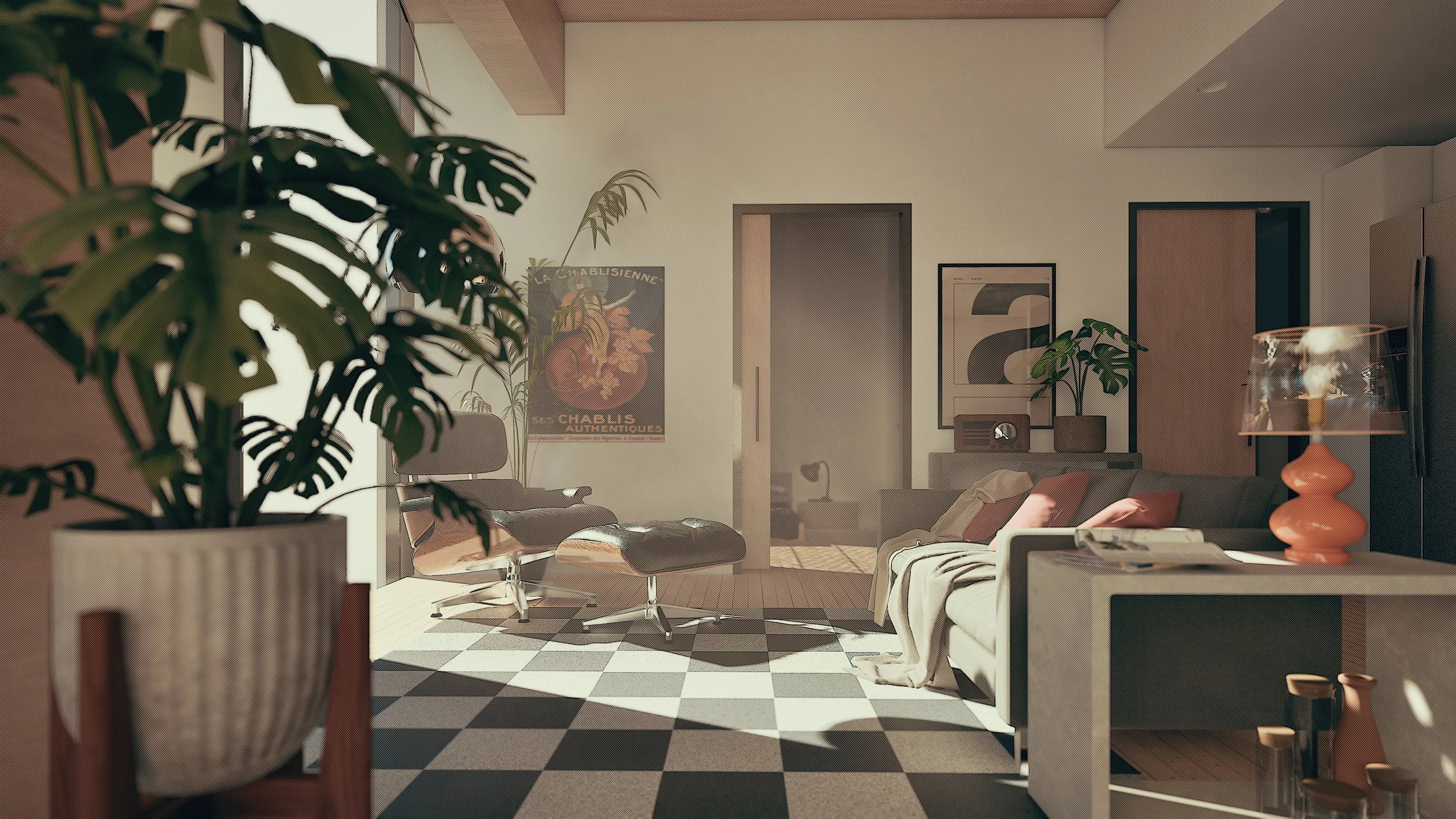
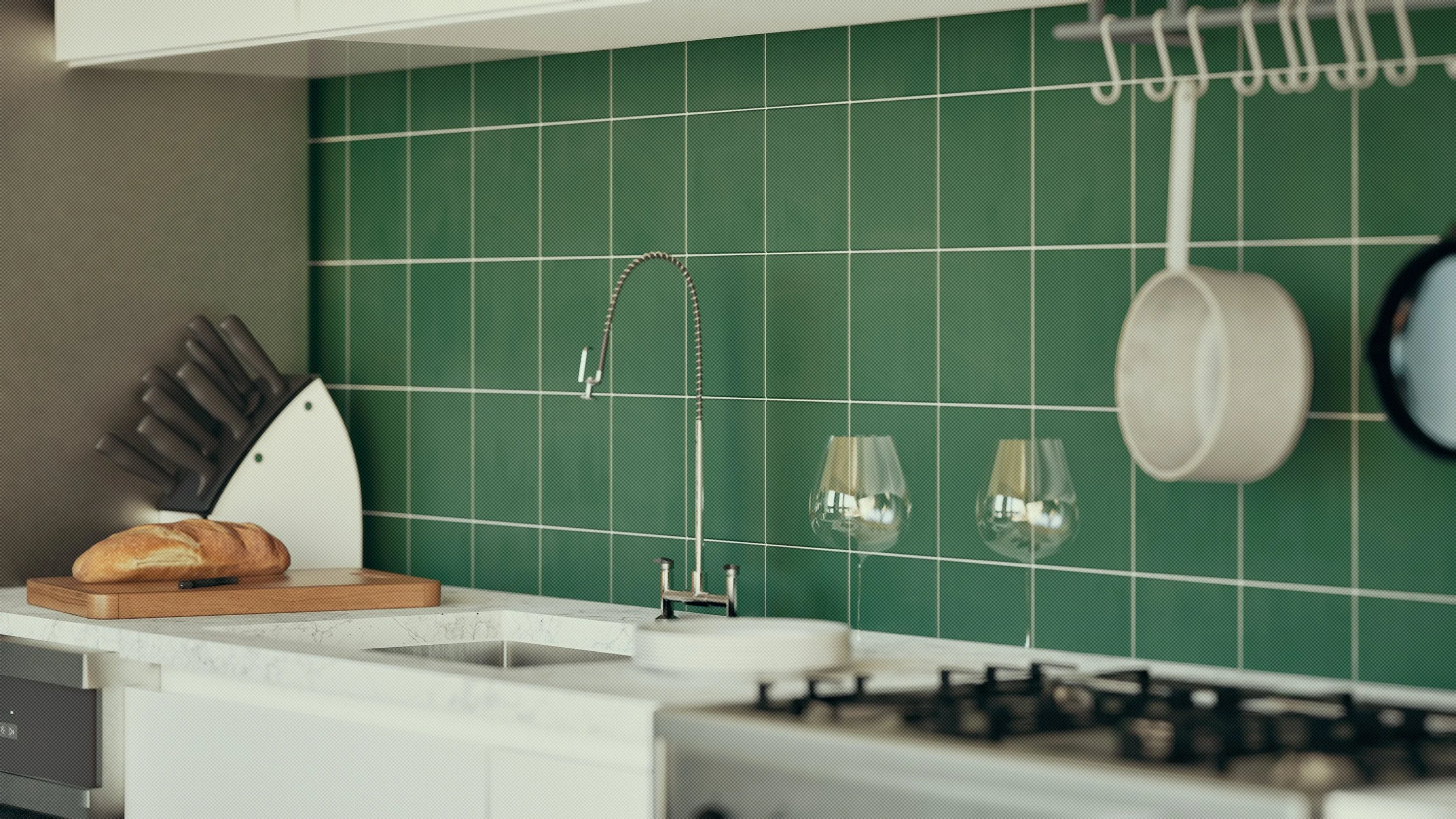
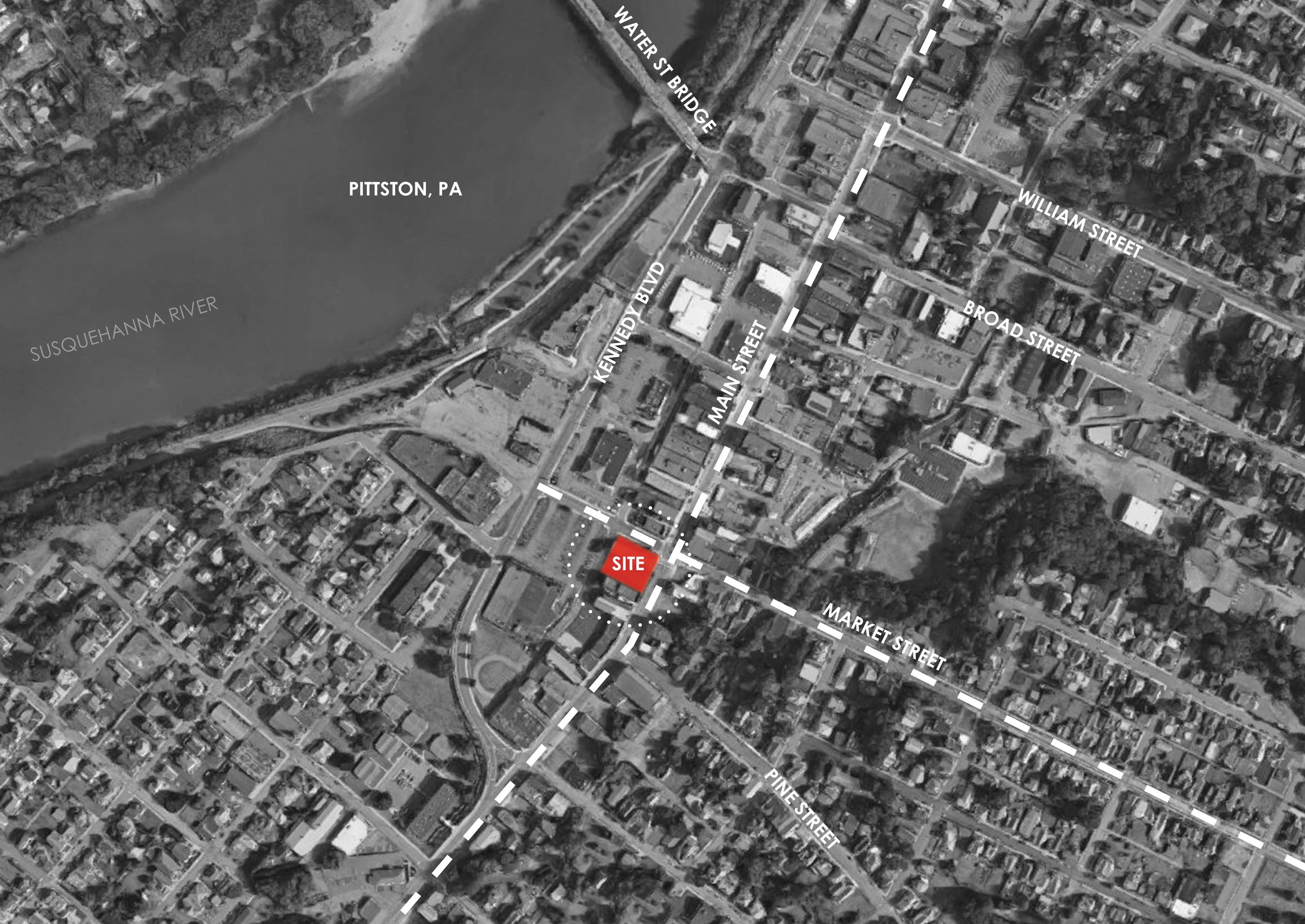
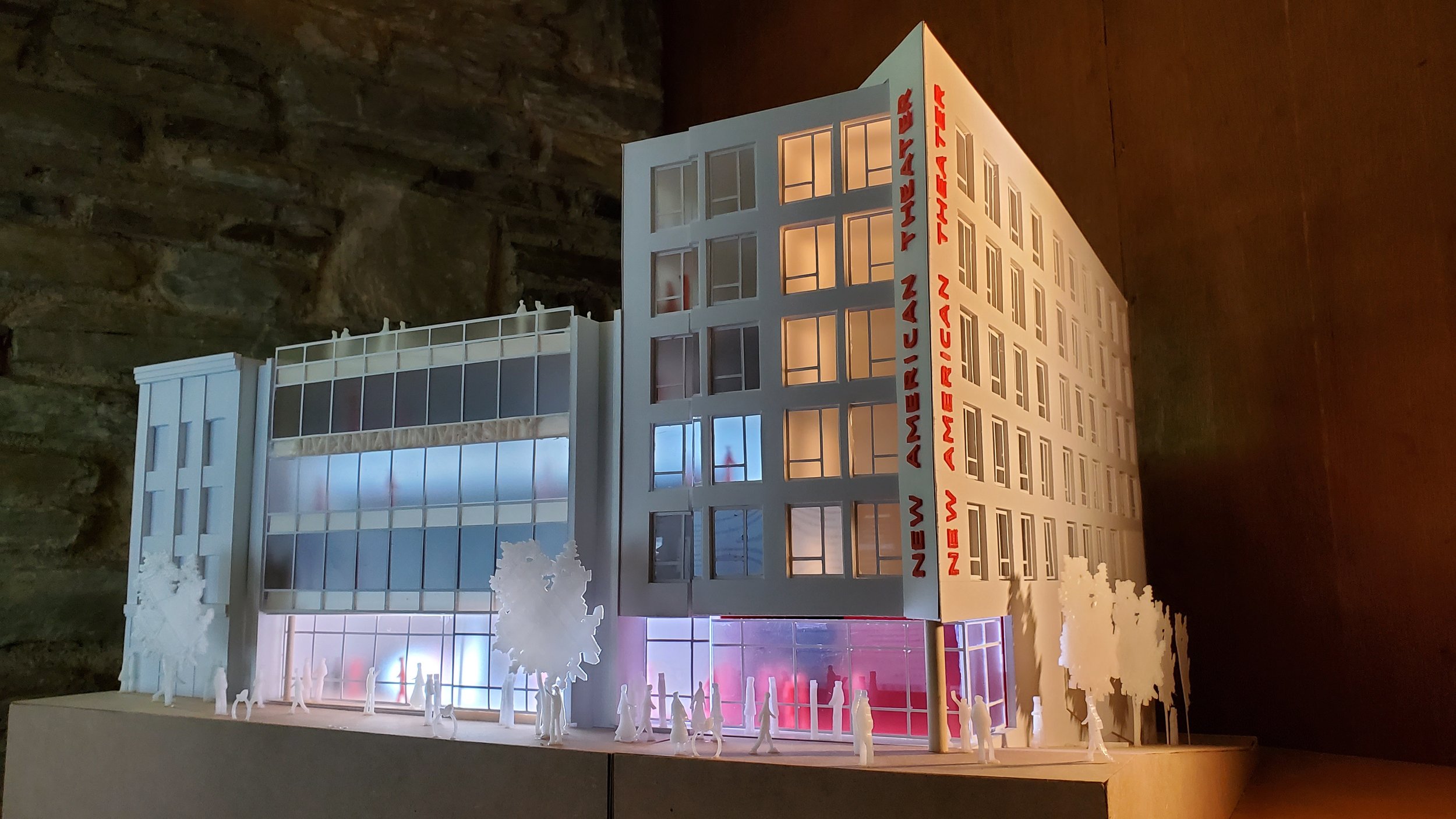
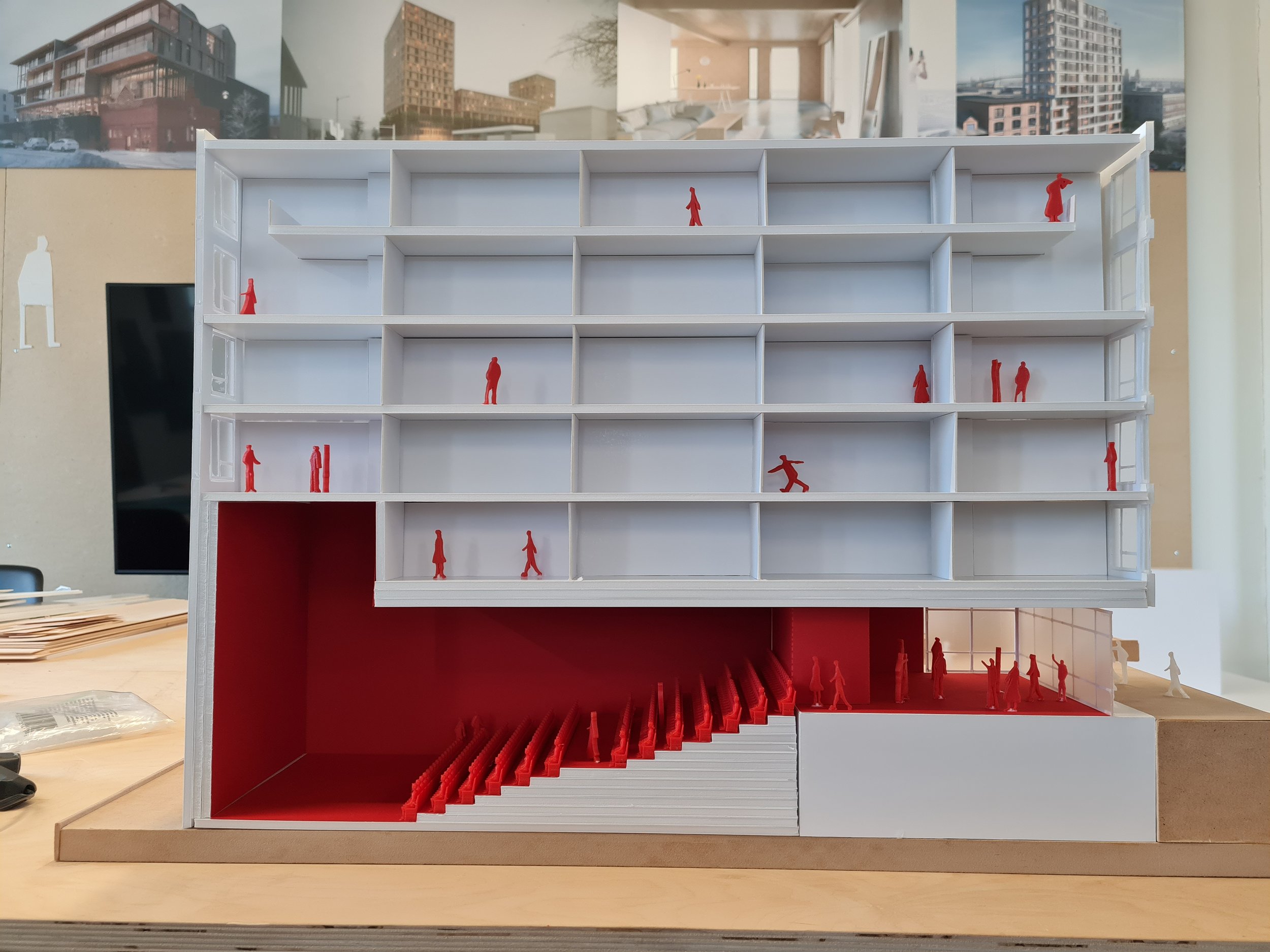
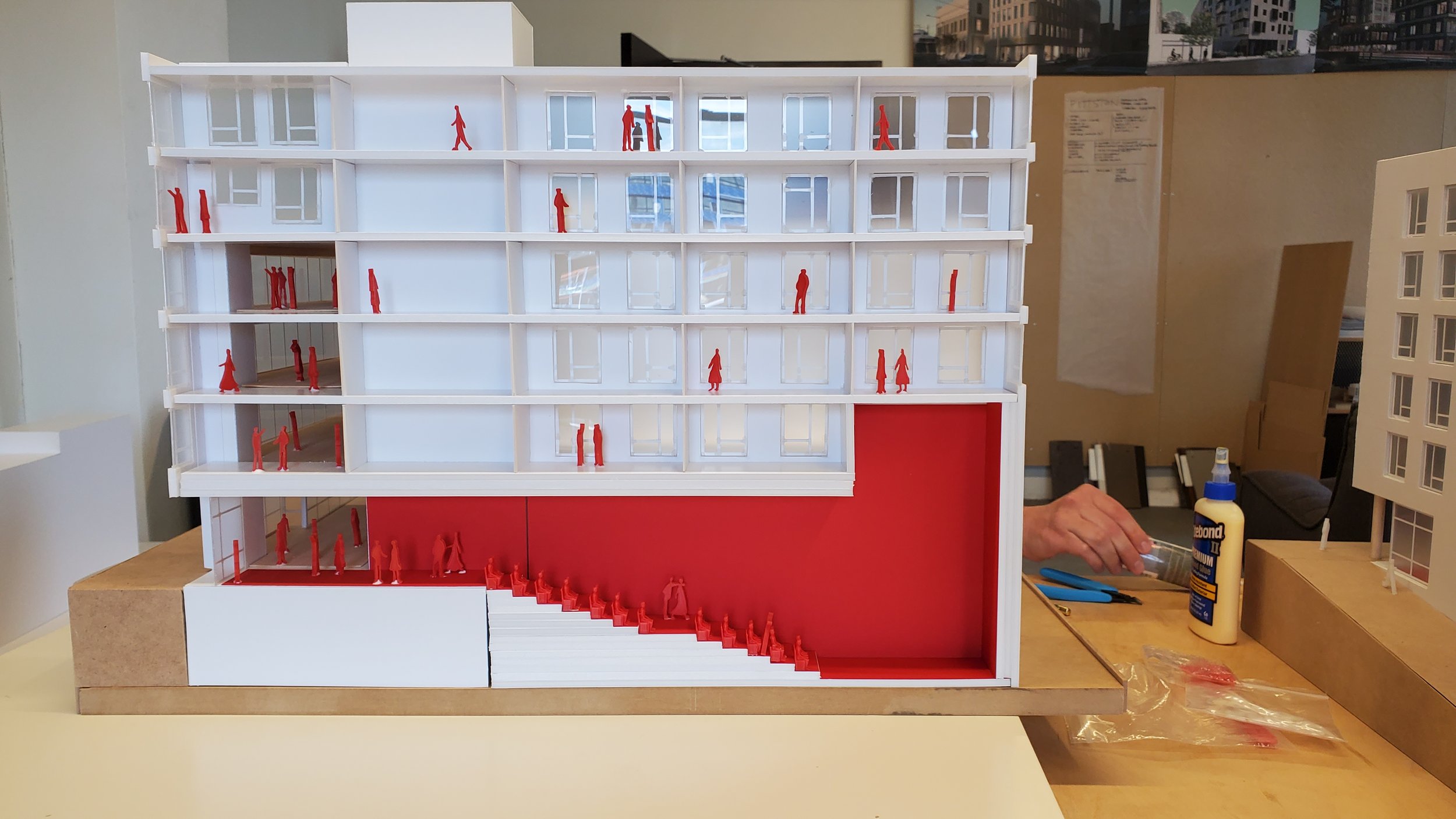
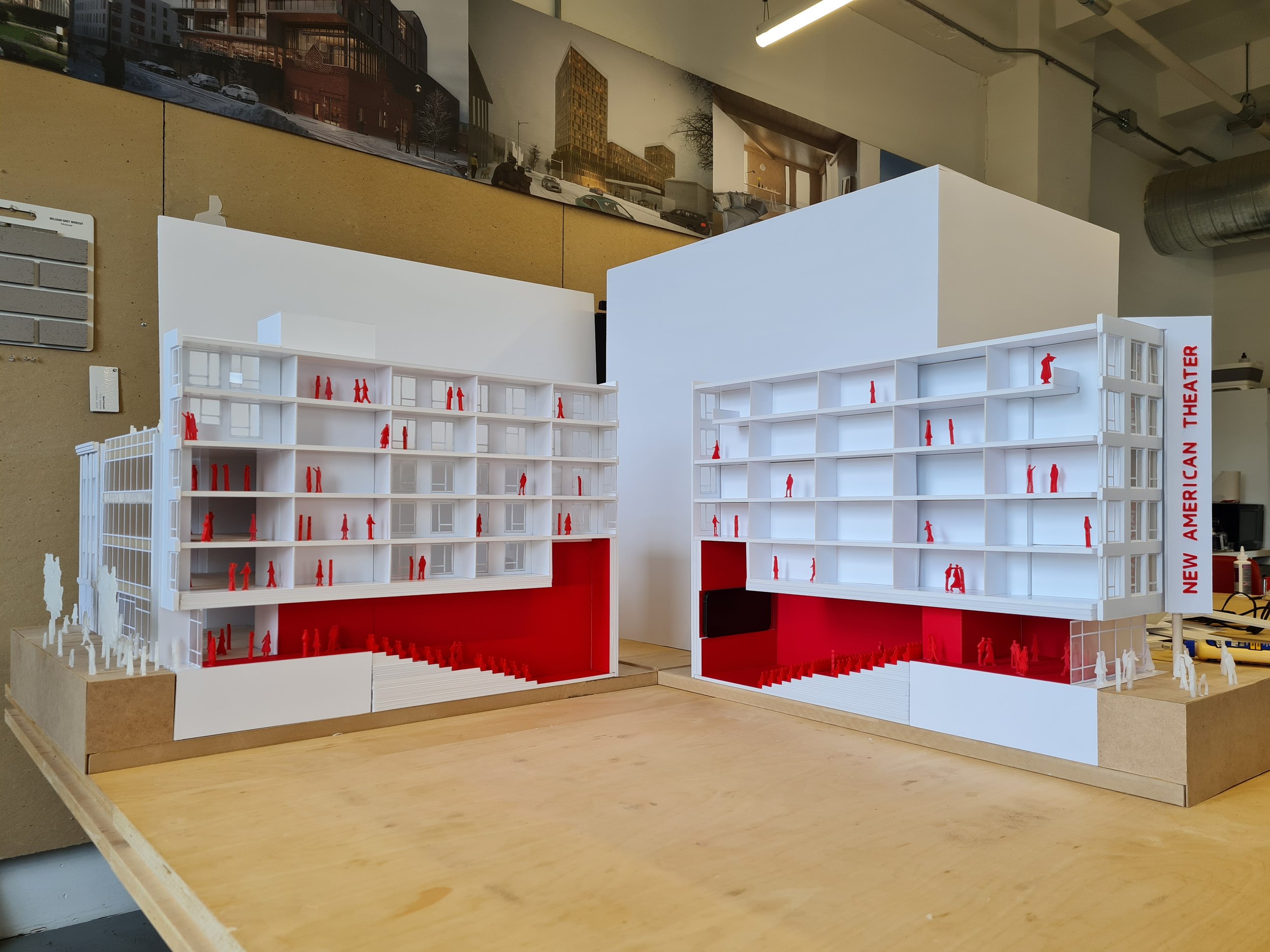
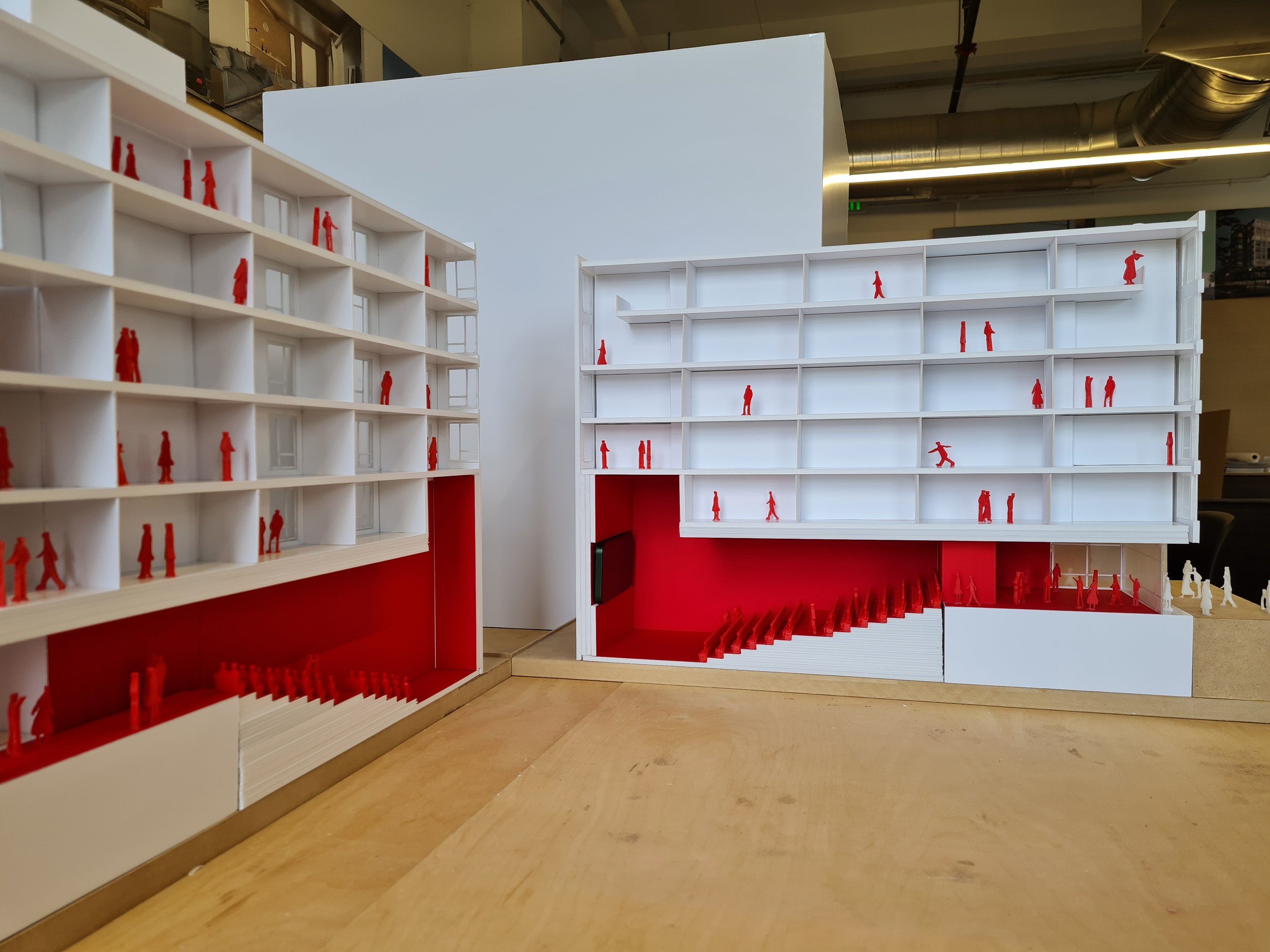
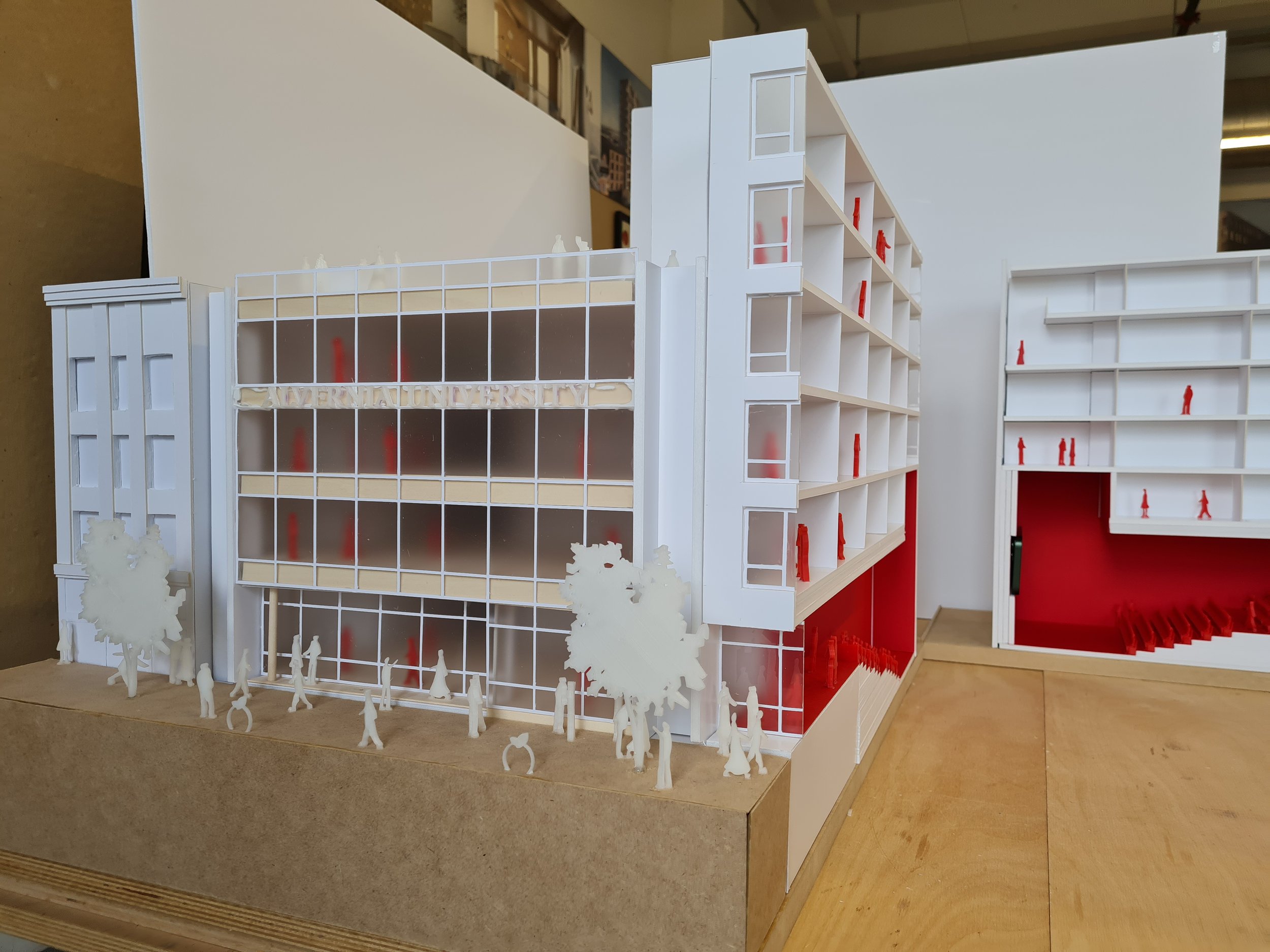
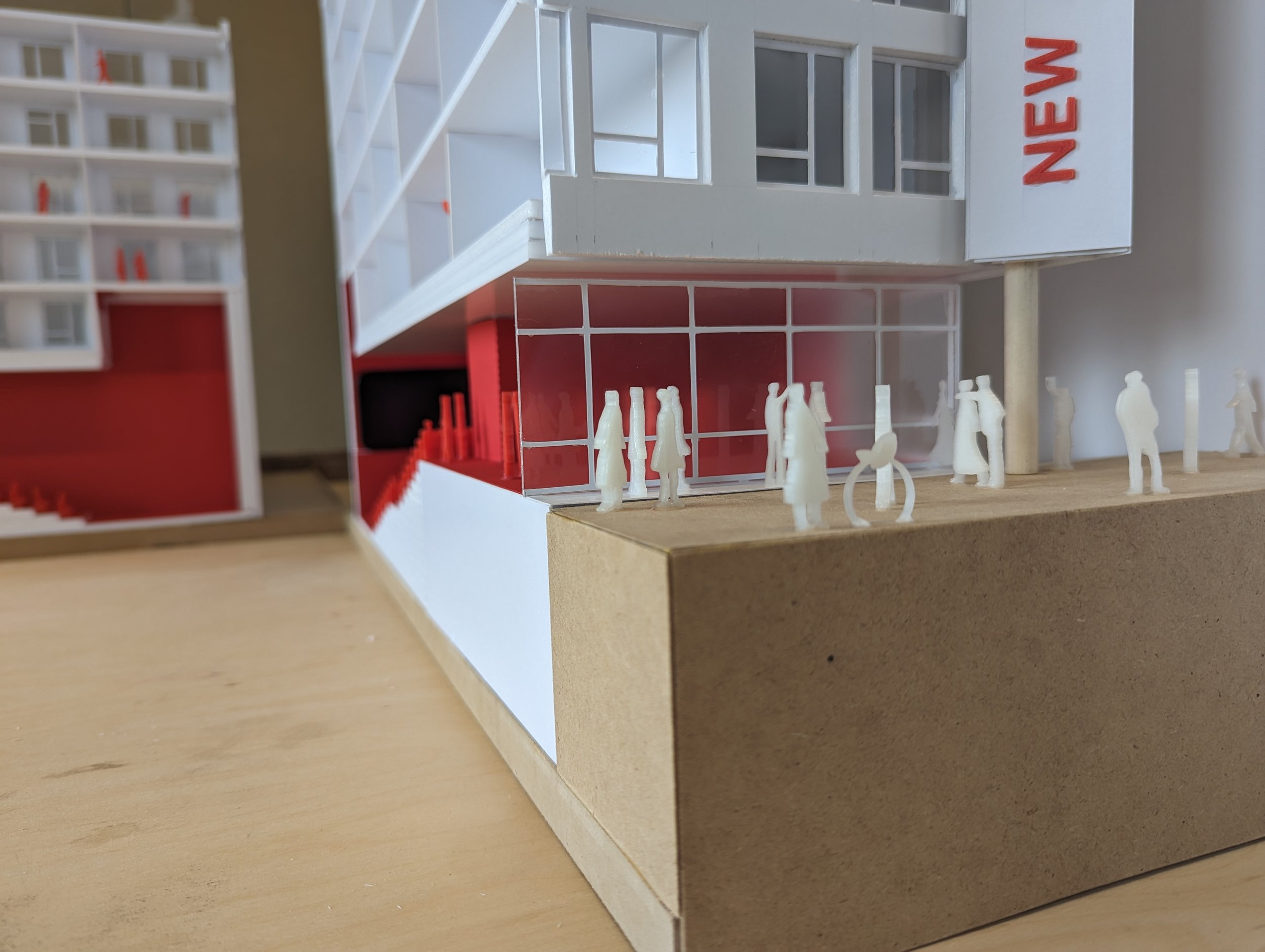
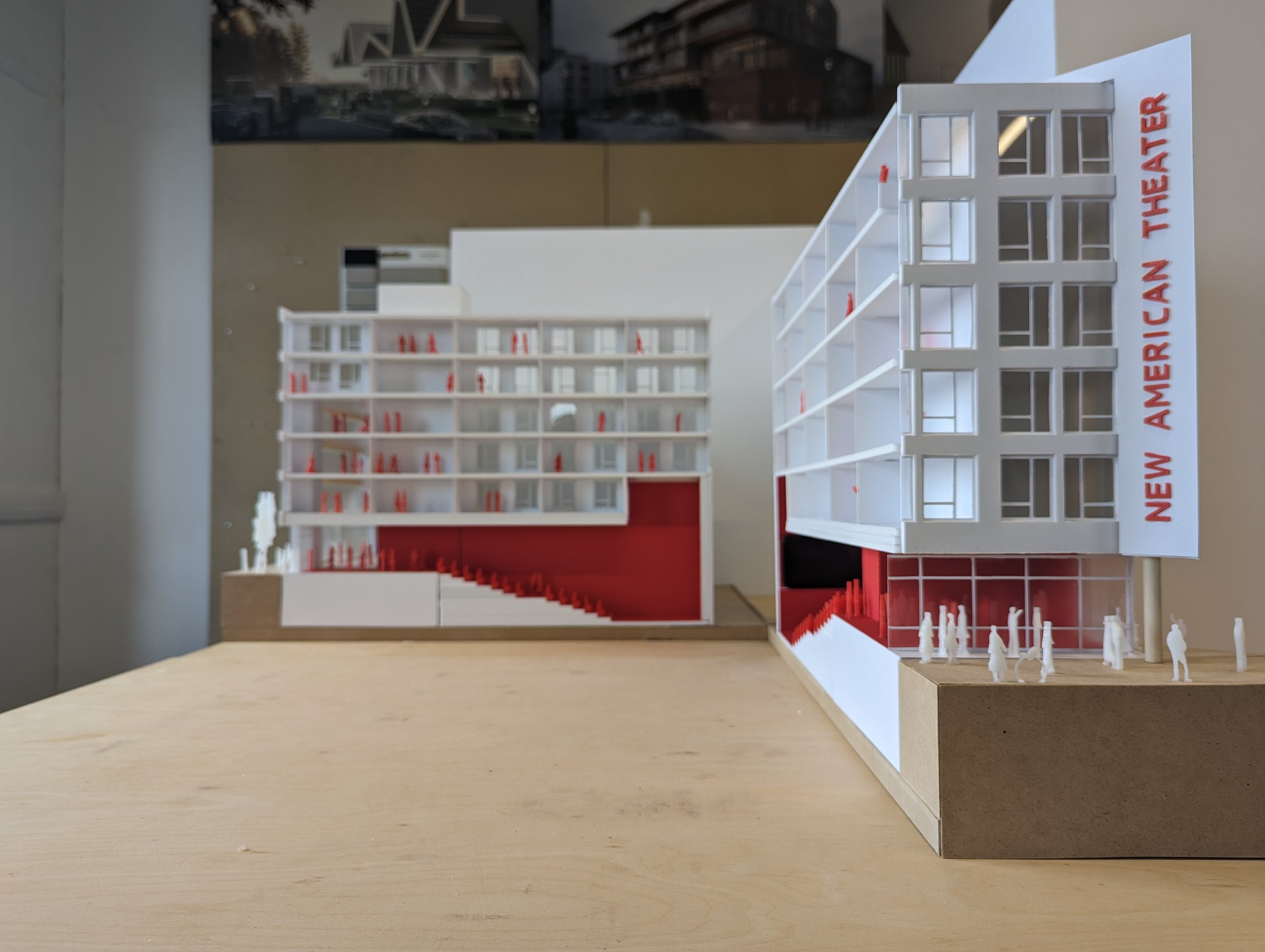
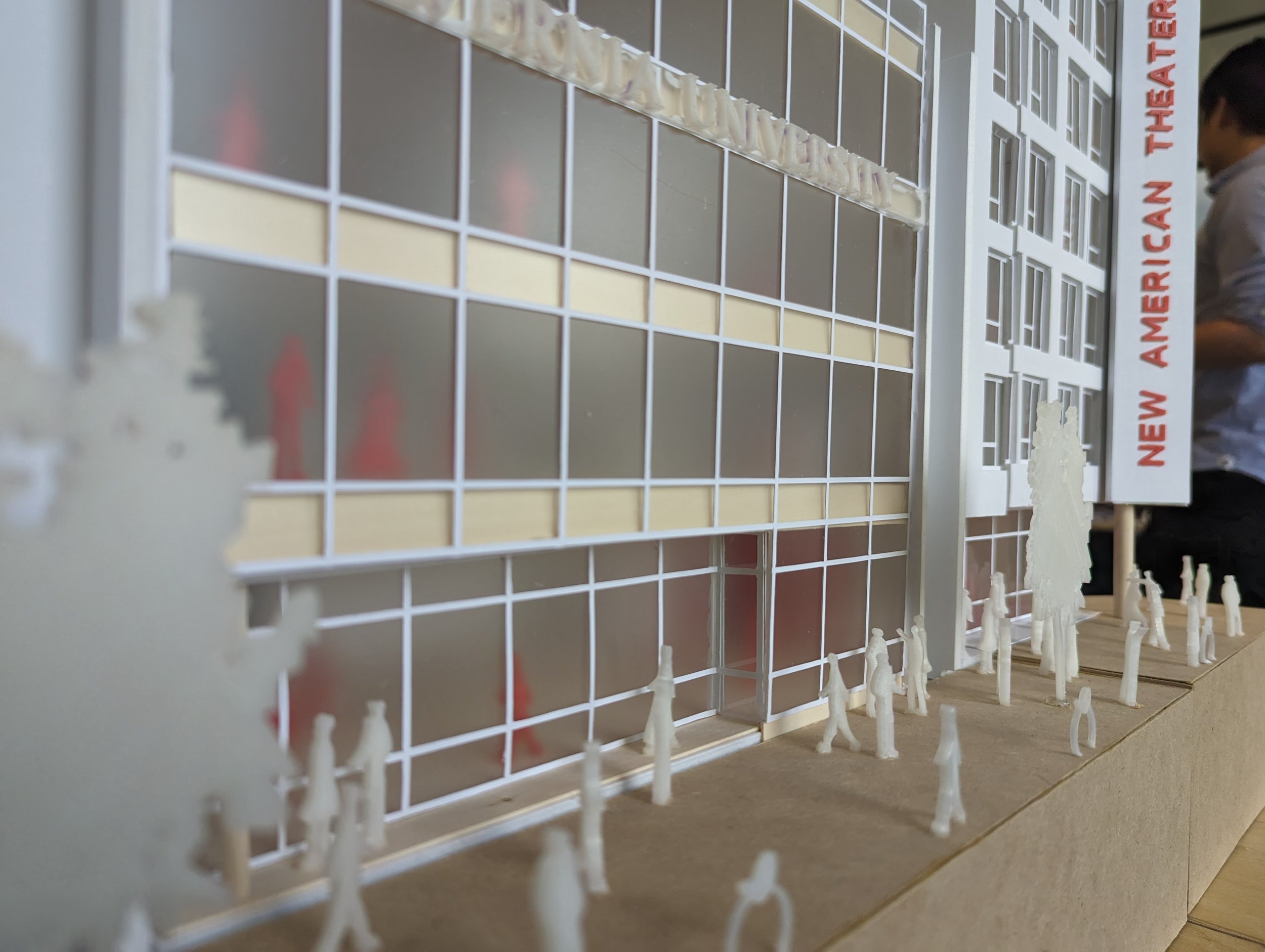
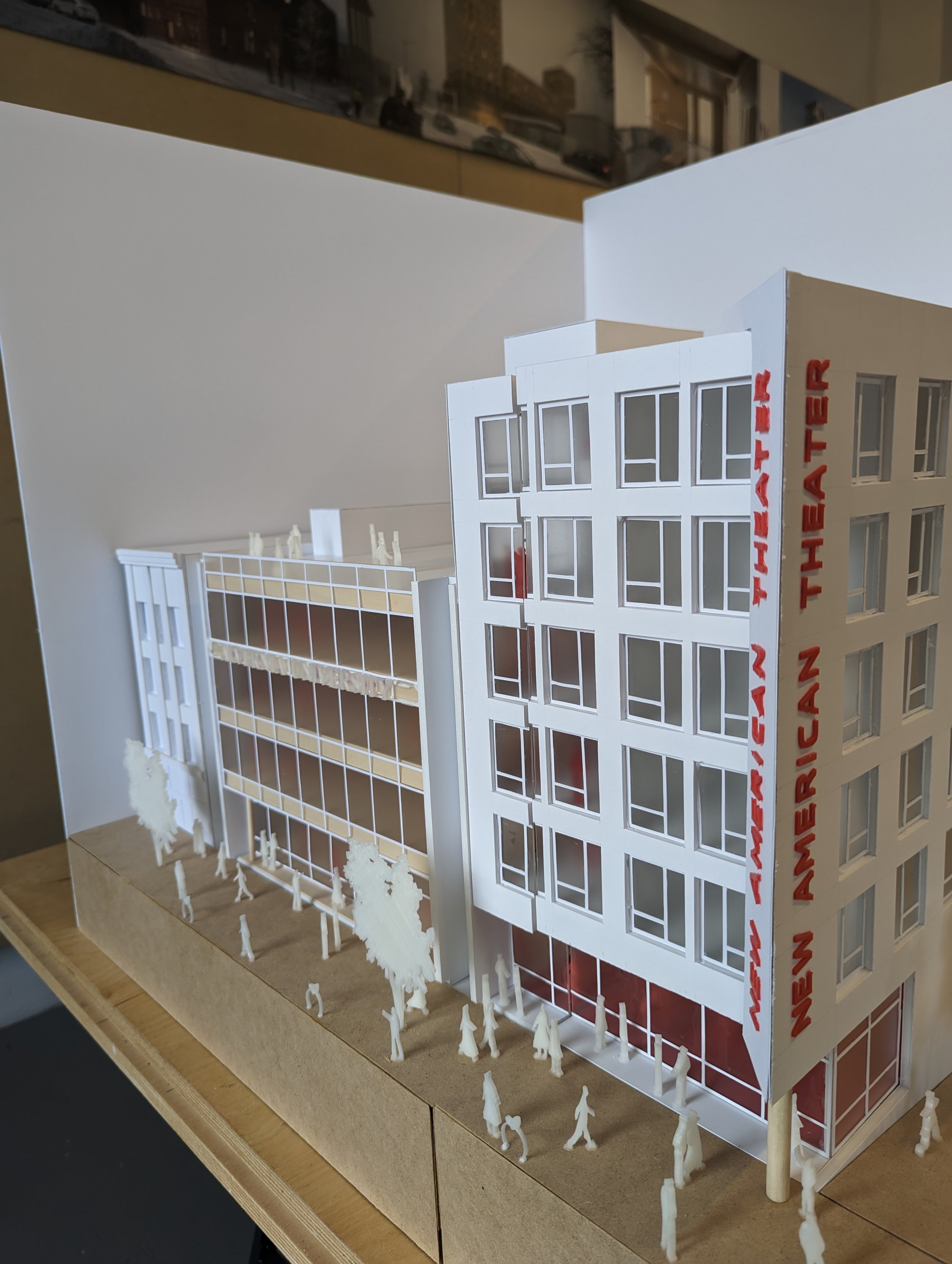
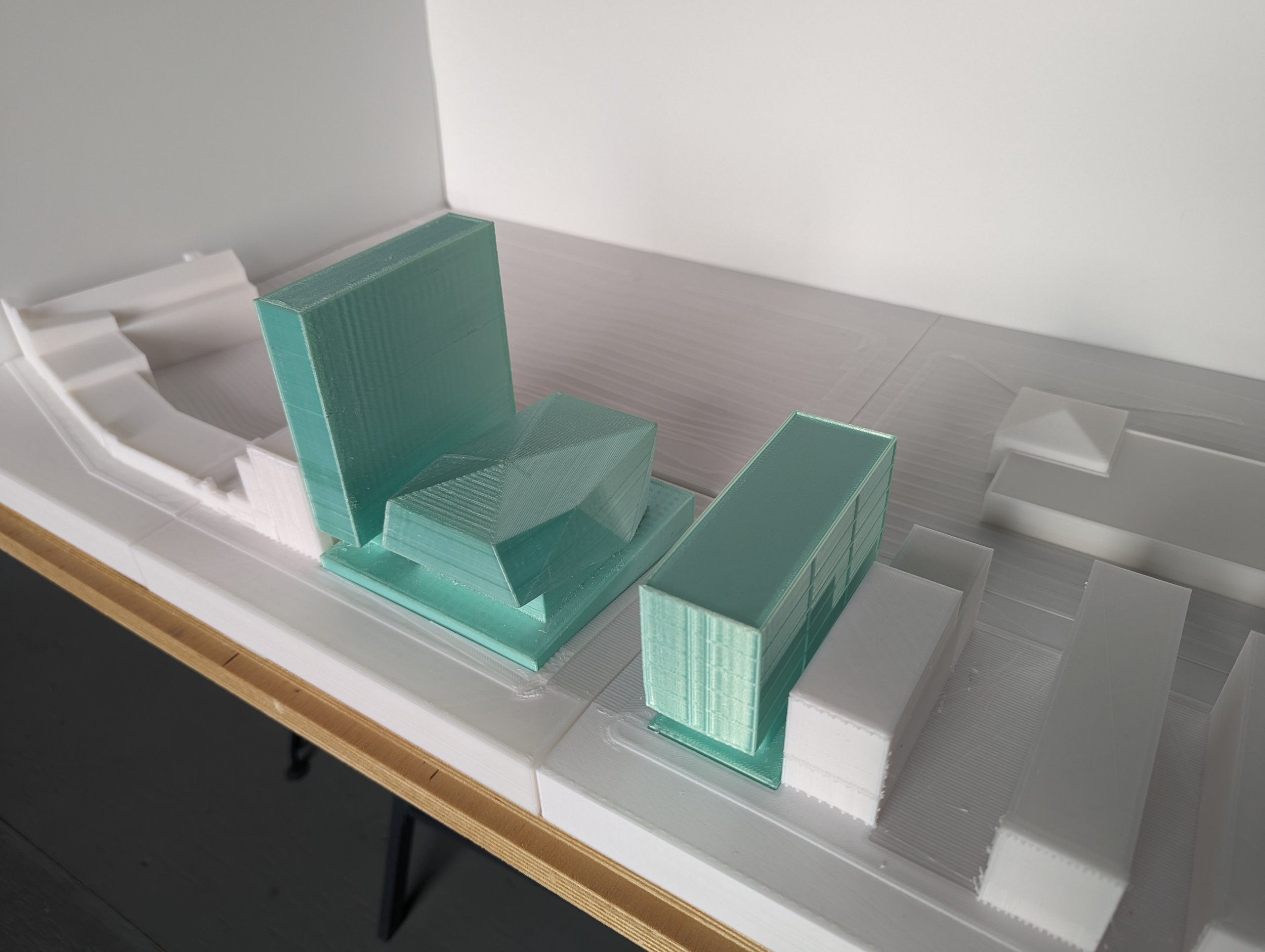
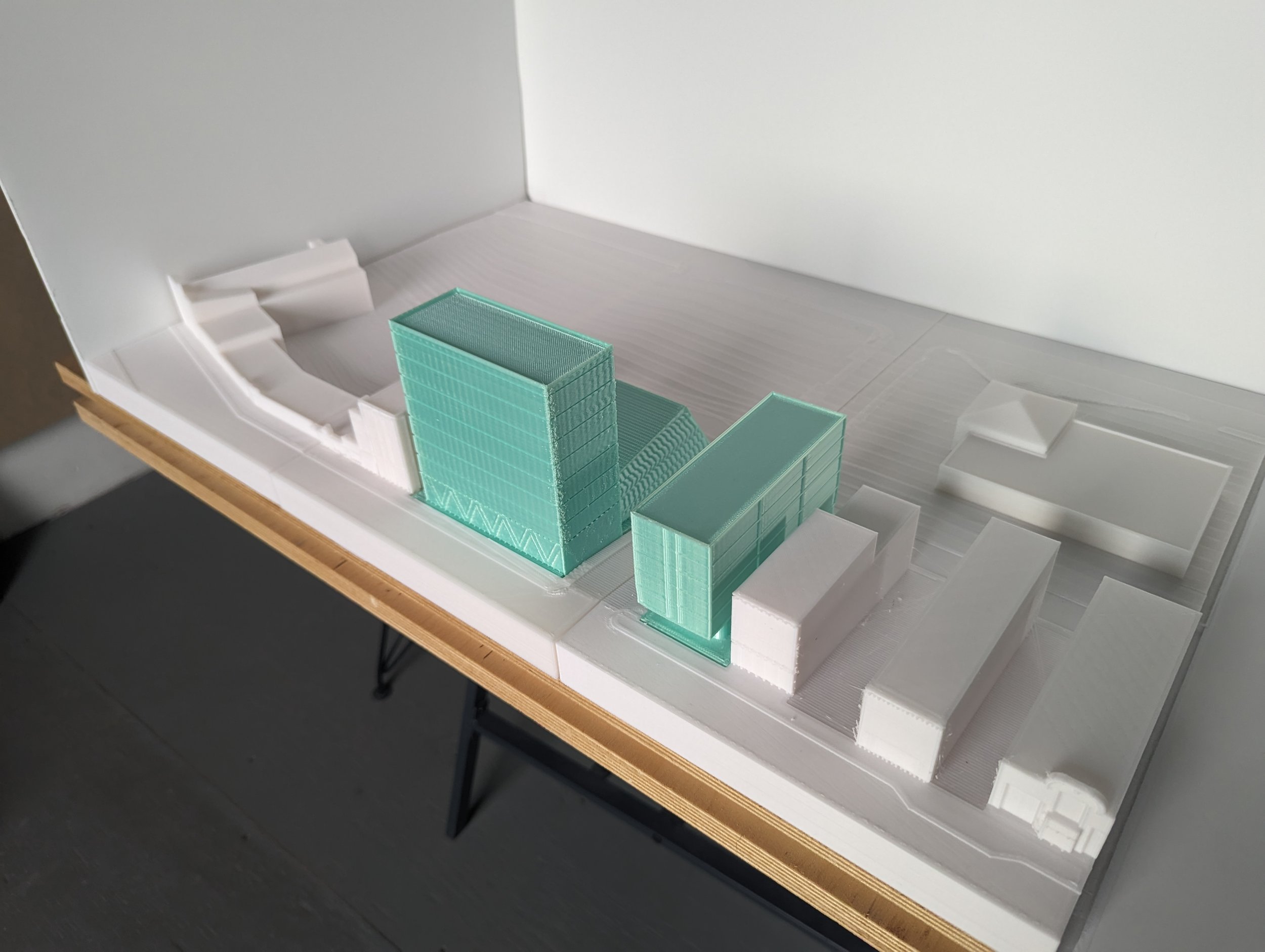
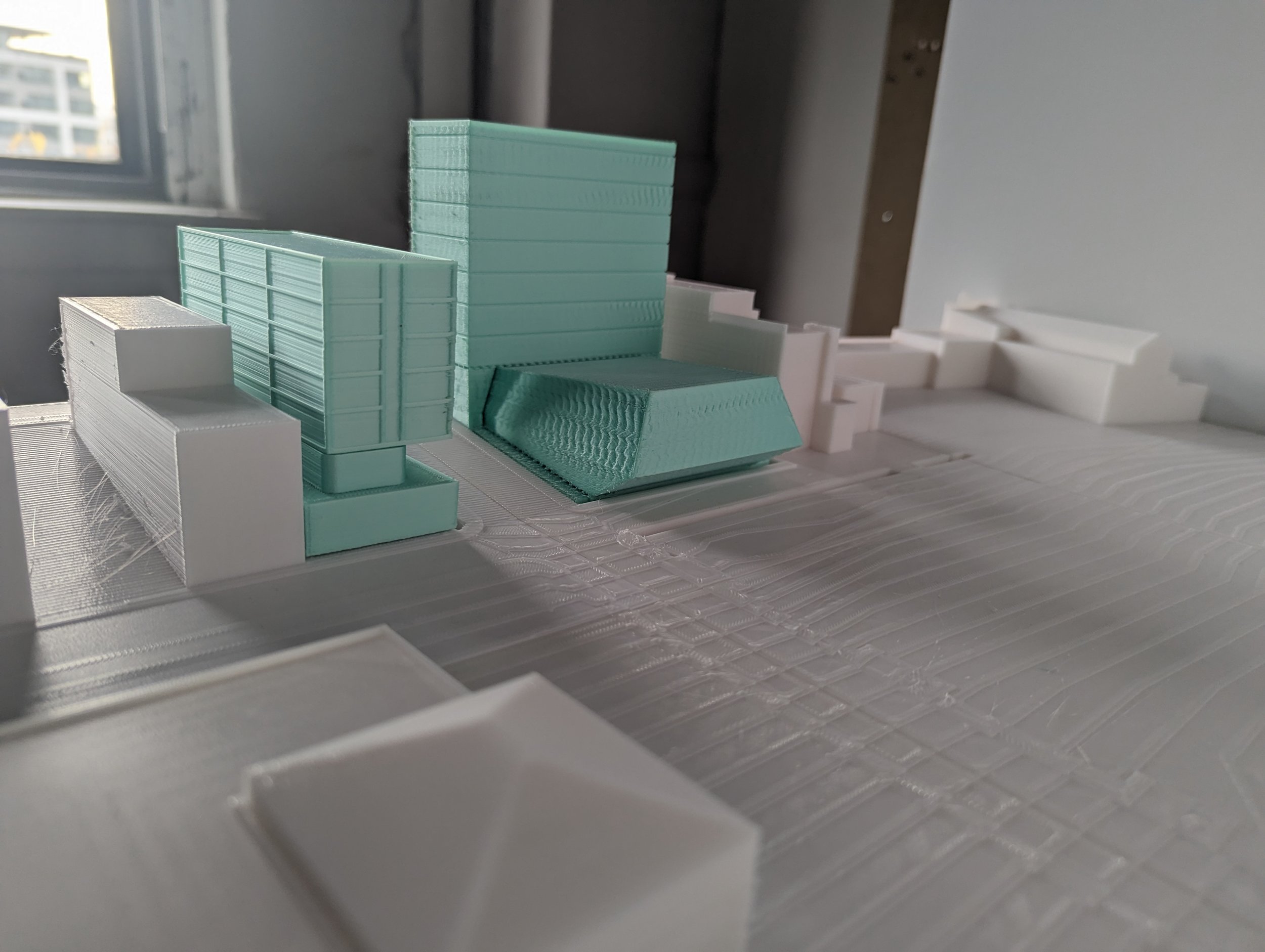
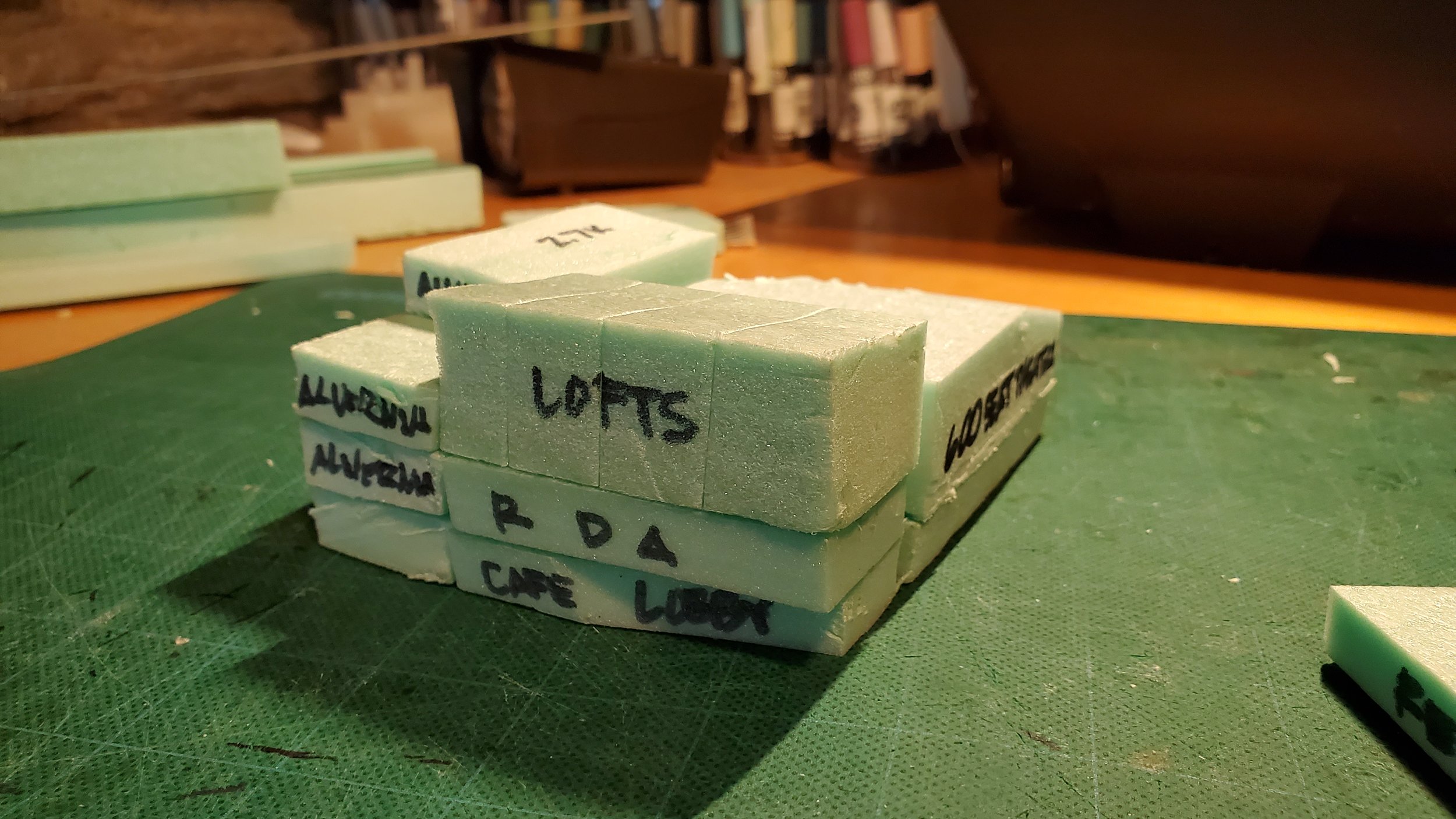
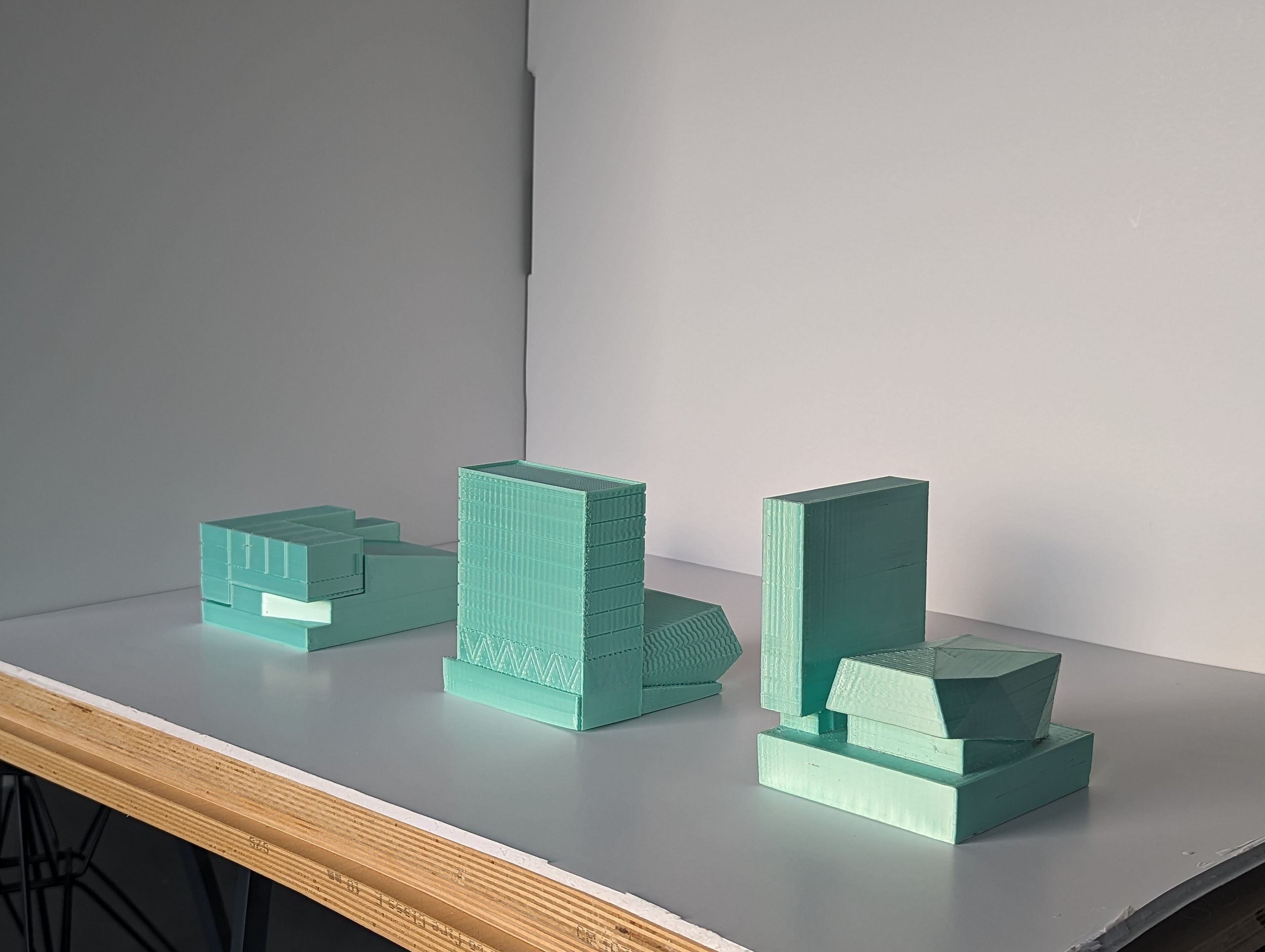
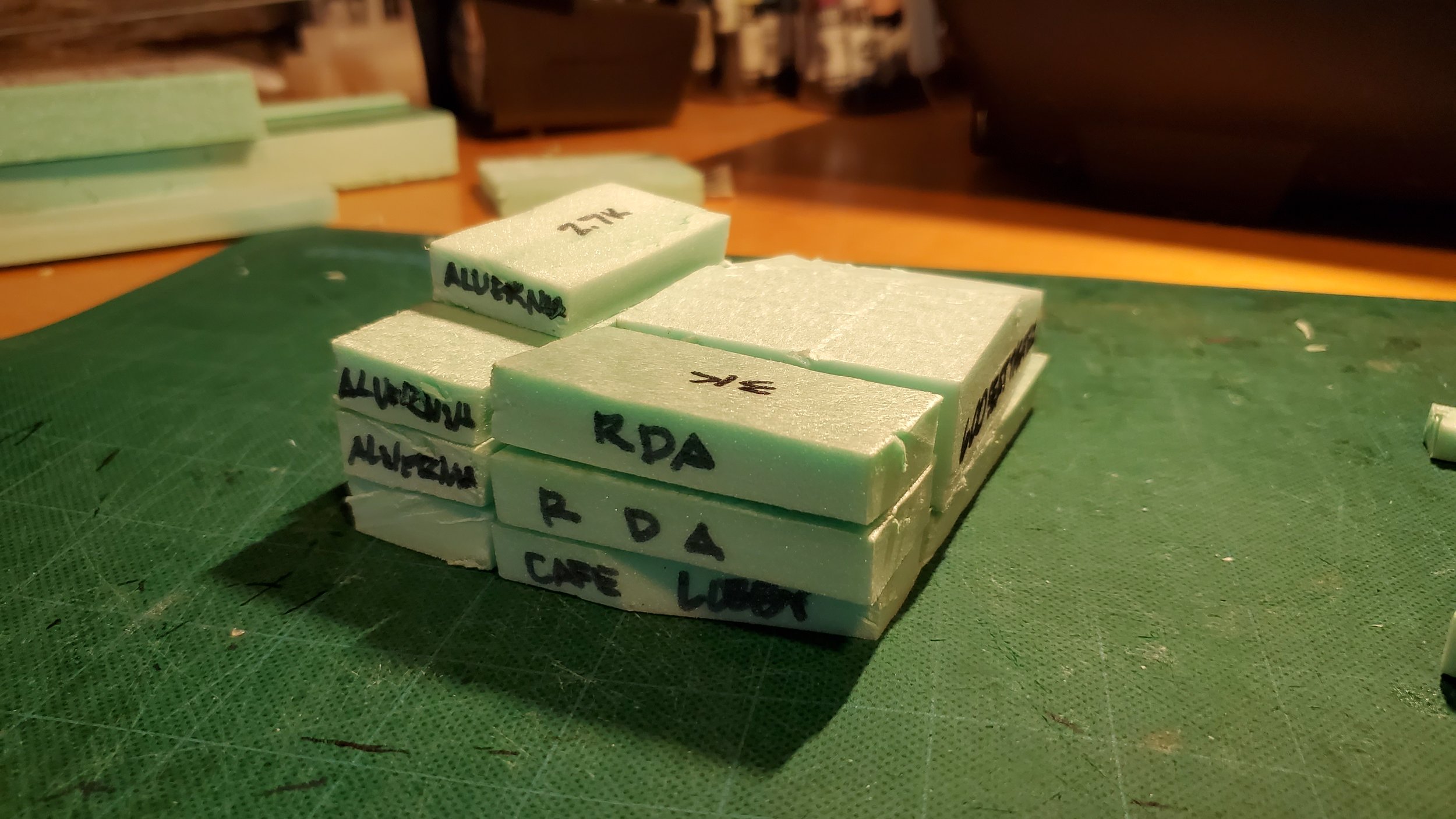
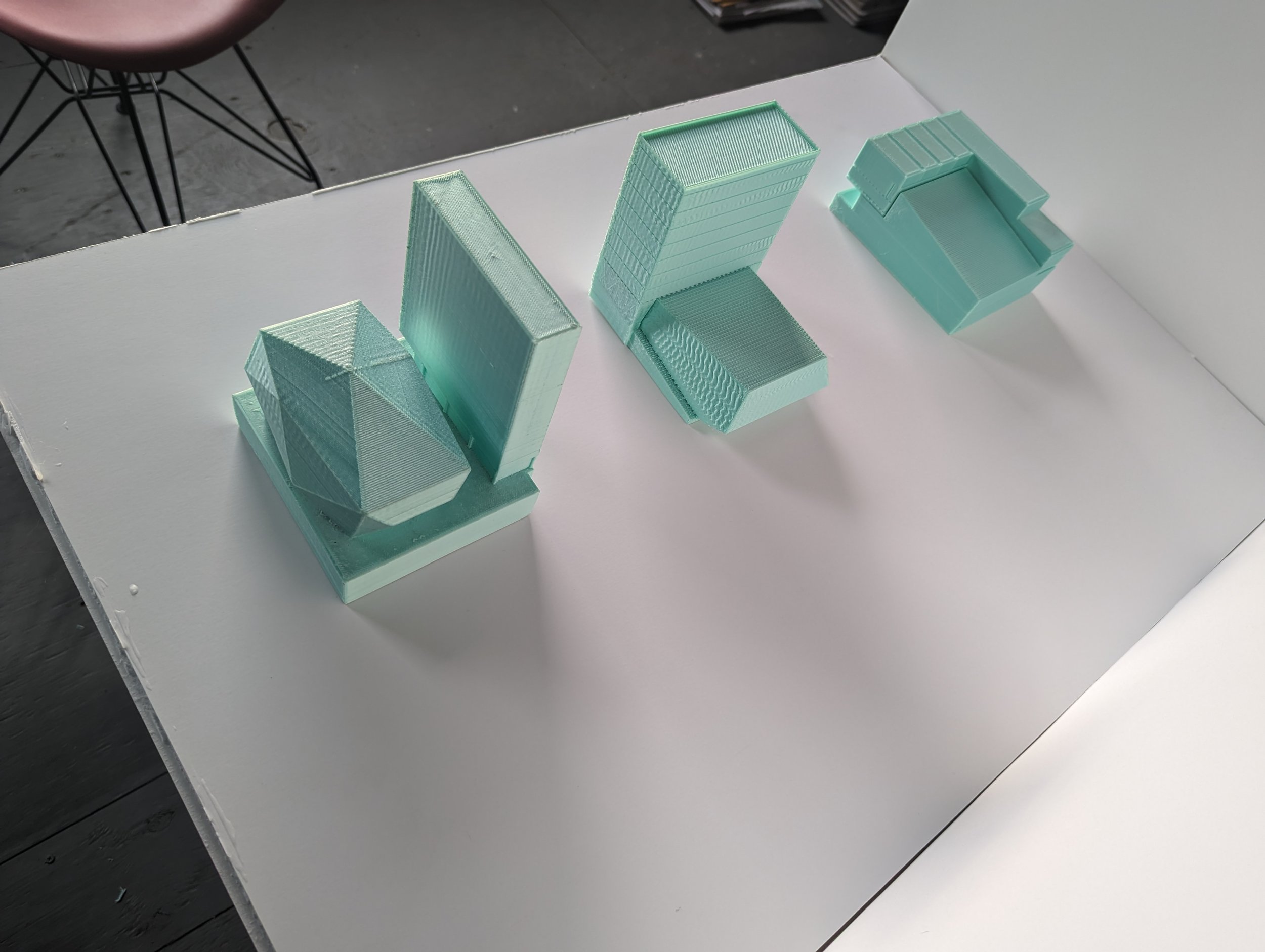
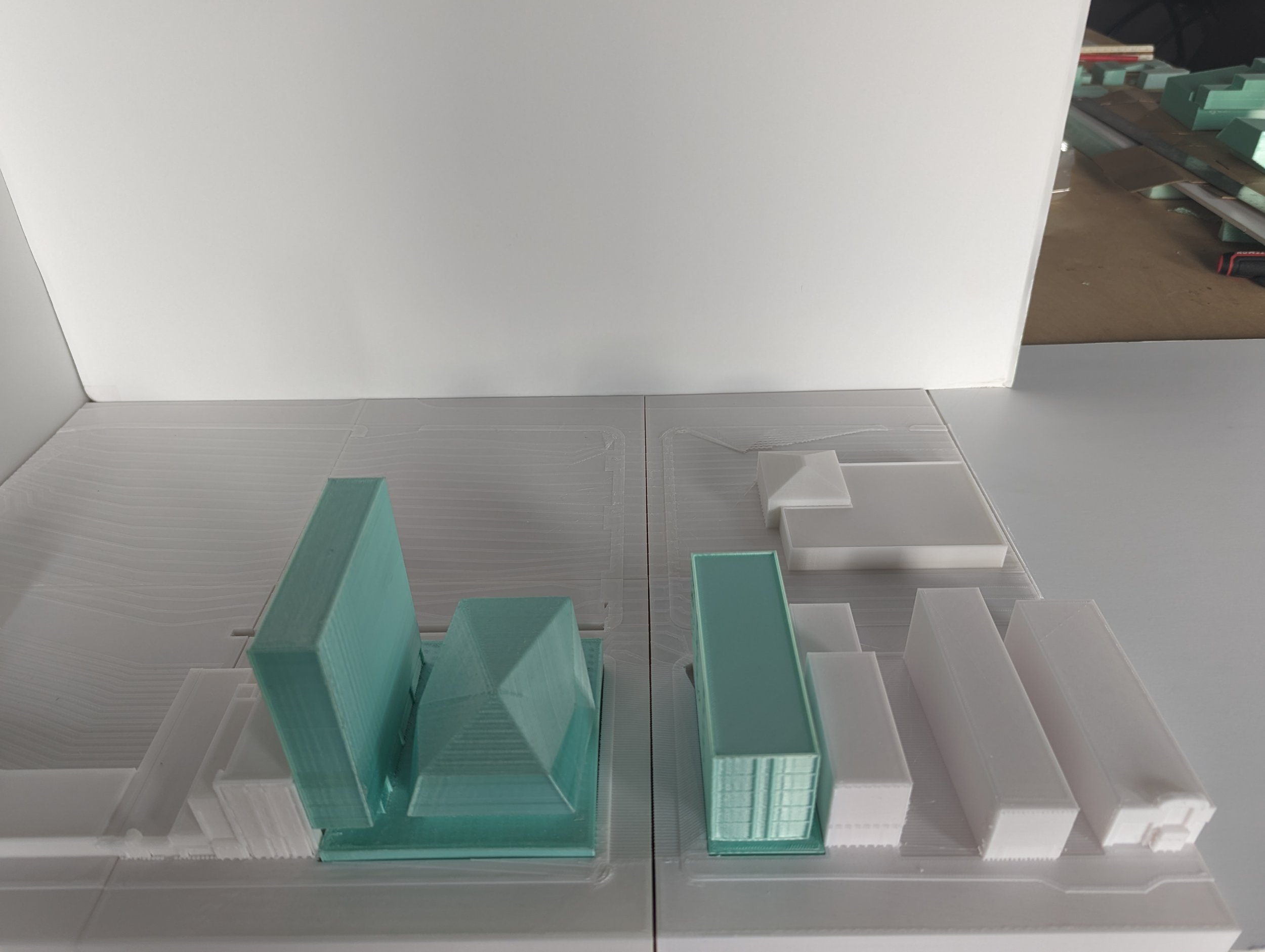
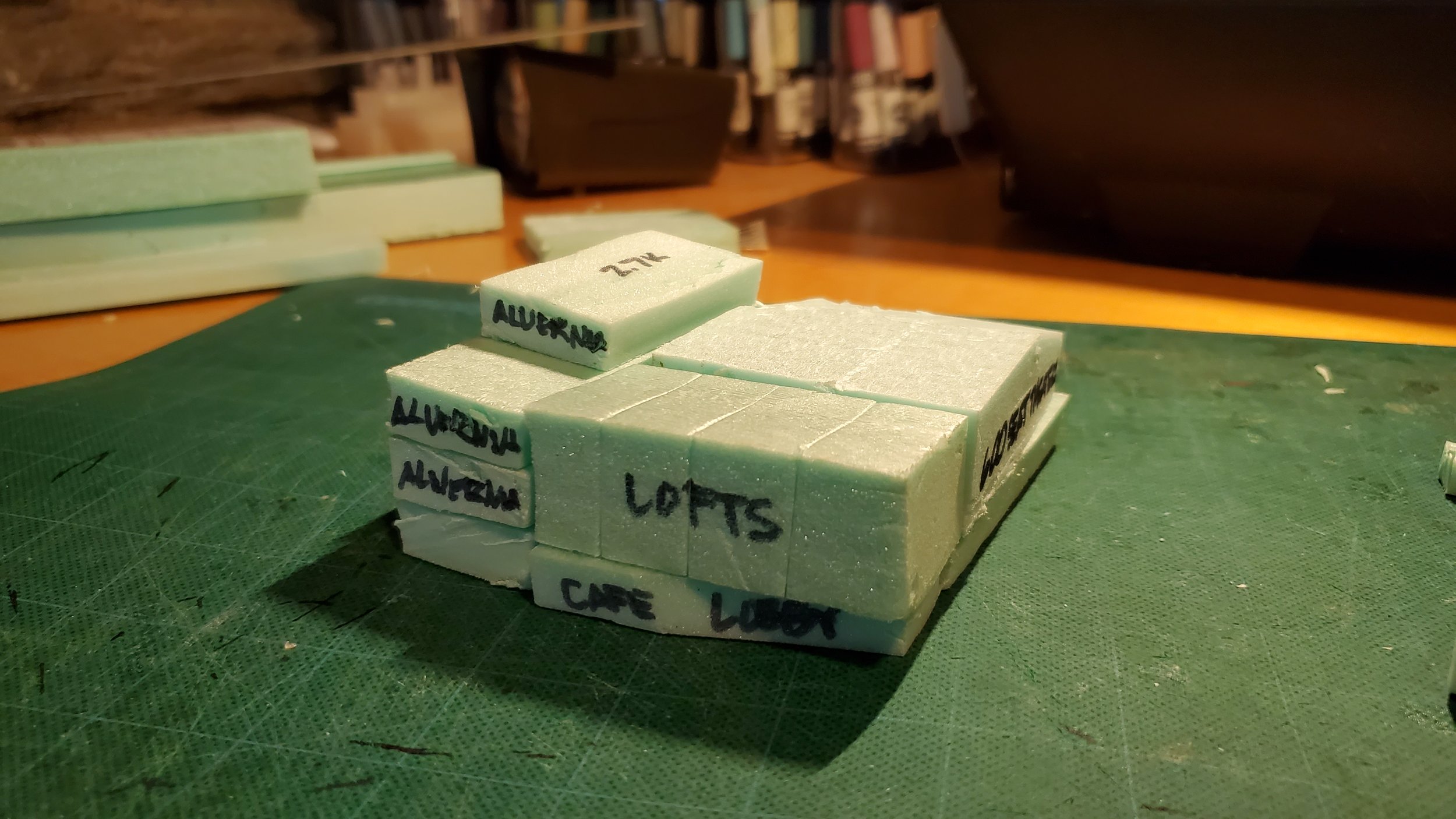
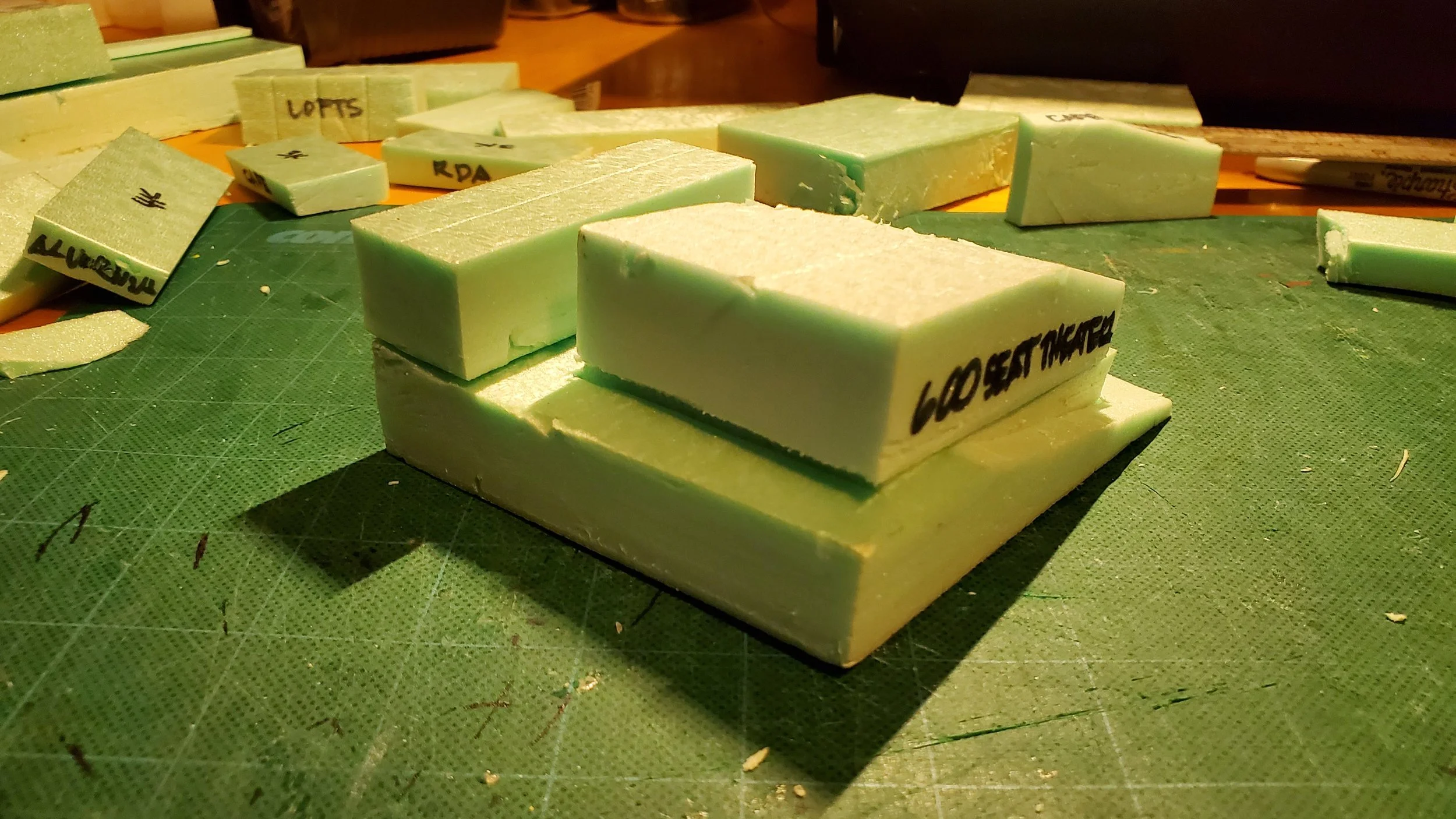
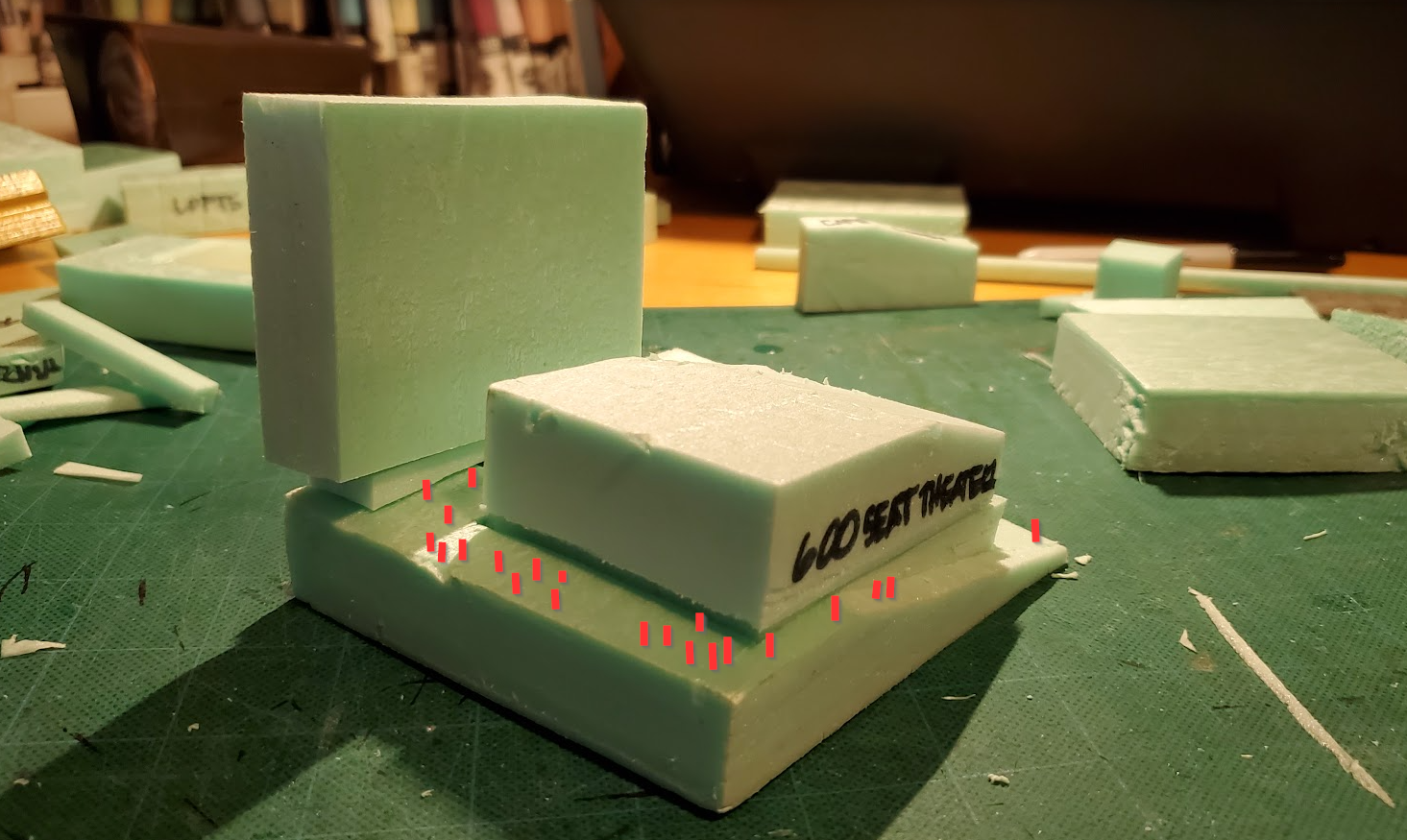
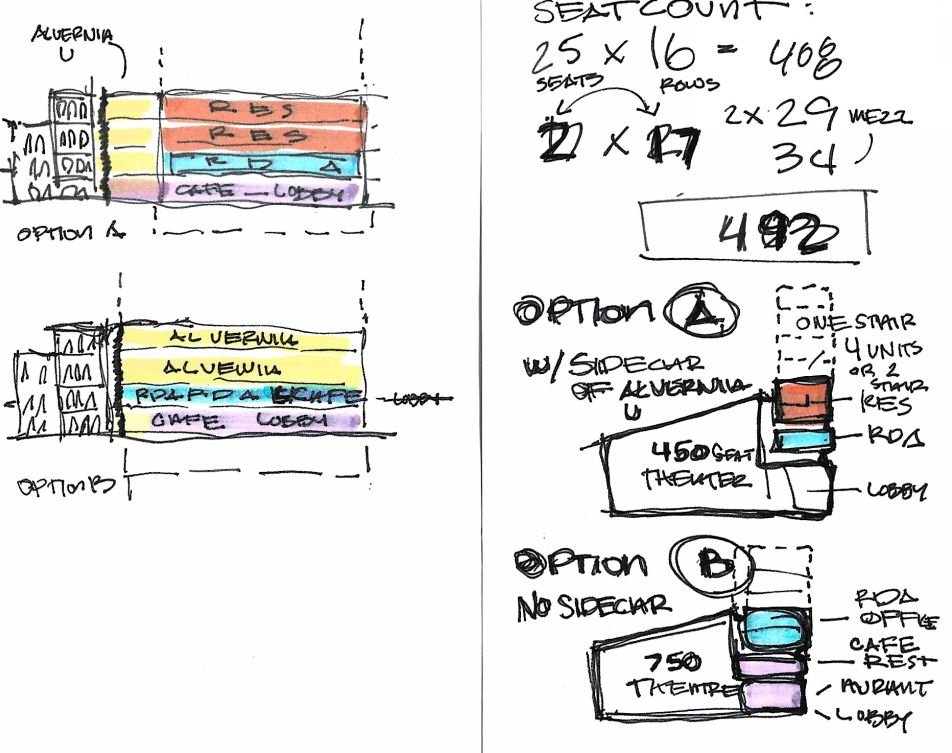
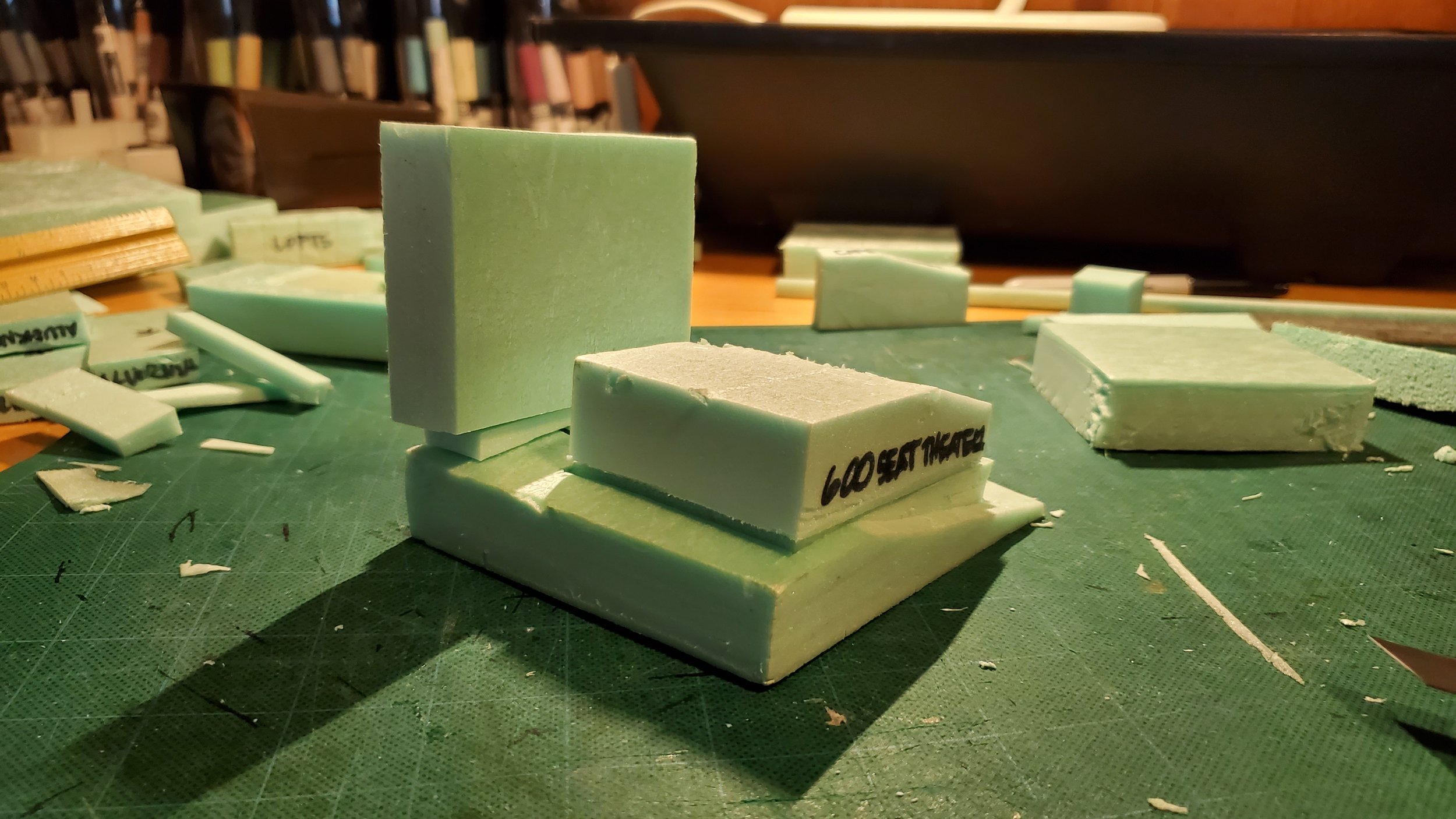
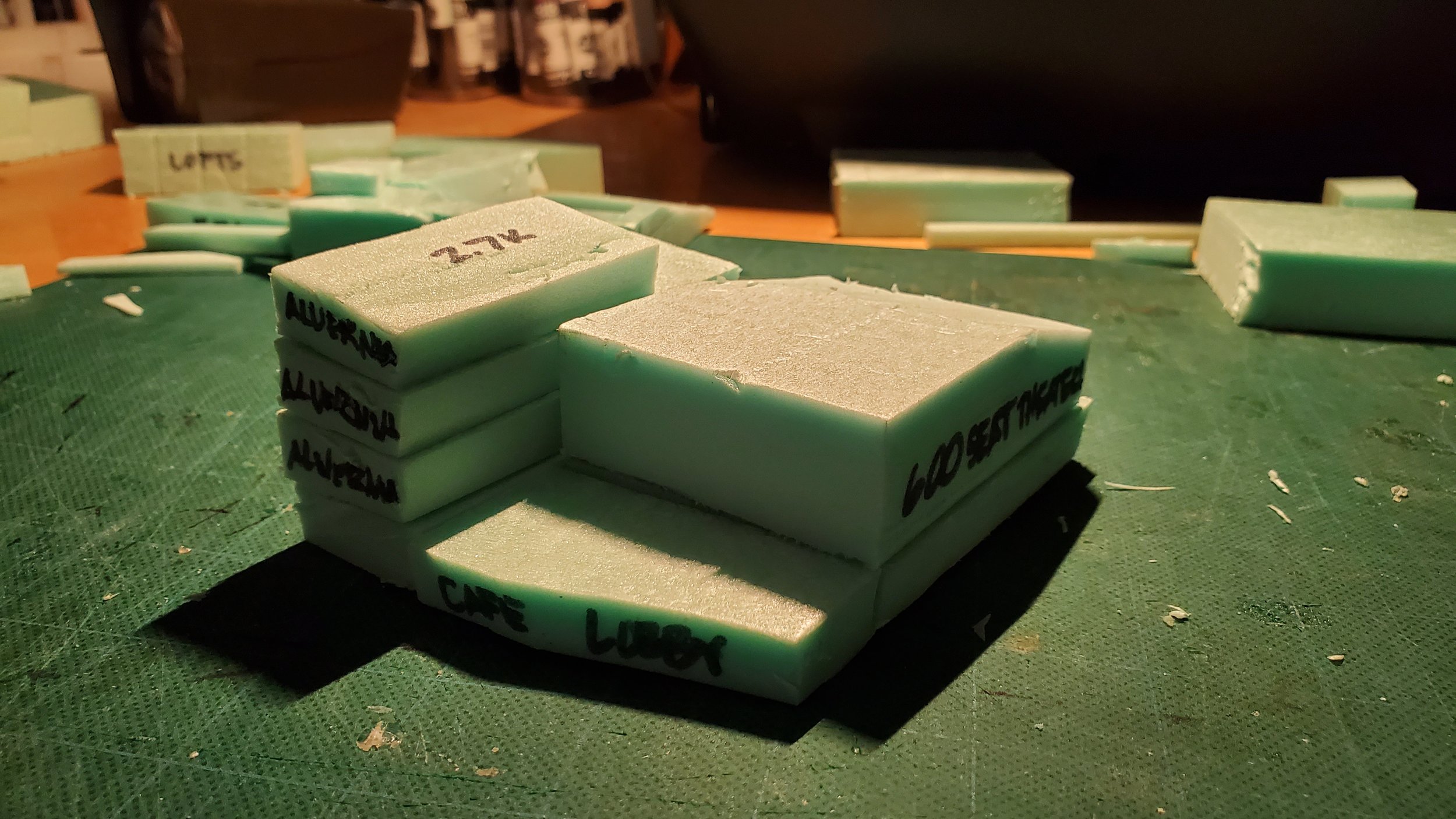
The New American Theatre reintroduces performing arts to the heart of downtown Pittston, Pennsylvania, nearly three decades after the original American Theater was demolished in 1993. Commissioned by the Redevelopment Authority of the City of Pittston, the project is envisioned as a catalytic mixed-use cultural destination that supports the city’s ongoing downtown revitalization while honoring the civic and artistic legacy of its former theater. The project combines a 630-seat performing arts theatre with retail, commercial office, residential units, Redevelopment Authority offices, and an active public realm. Located at the prominent intersection of Market & Main, the building is designed as both a cultural anchor and an urban connector, extending activity from the theatre into the surrounding streetscape. The architecture pairs a warm timber and wood interior with an exterior of weathering steel cladding — a performative material that changes over time as it patinates, shifting through tones of rust, blue, red, and black. The result is a building that is both contemporary and time-based, reflecting the industrial character of the region while allowing the facade to deepen and evolve with age. The lobby doubles as an art gallery, expanding the cultural role of the building beyond performance. Sculptural works are intended to extend from the interior into the new public park planned as part of Phase 2, weaving art, landscape, theatre, and civic life into a connected downtown experience. Recipient of a 2024 AIA Pennsylvania Merit Award in the Un-Built Category, The New American Theatre reflects OOMBRA’s commitment to contextually grounded, design-forward architecture that uses cultural infrastructure as a tool for long-term urban and community revitalization.